
Duration
14 days
Activity
Overland Tour
best season
May-September
Accommodation
Hotels/Lodges
Destination
Tibet Region
New Offers !!! 2026 New Booking open With 10% Discount

 iconic summary
from0Reviews
Guides And Language
facility
Value For Money
Service
Location
Overviews
Mount Kailash and Lake Mansarovar aren’t just places on a map, they’re the kind of destinations that pull at something deep inside people. For most Hindus who sign up for this yatra, it’s about reaching the home of Lord Shiva, doing the parikrama, taking that holy dip, and coming back changed. Buddhists see it as the axis of the world, the spot where everything connects. Jains remember it as the place Rishabhanatha achieved moksha. Even Bon practitioners have their own ancient stories tied to the mountain. What brings everyone together, though, is the feeling that you’re standing somewhere that’s bigger than everyday life.
The overland route we run is the traditional one, starting right here in Kathmandu, crossing into Tibet at Kerung (Kyirong on the Chinese side), and making the slow, steady climb to the high plateau. It’s not the fastest way (helicopter packages get you there quicker), but it’s the most complete. You watch the scenery evolve day by day: the green rice terraces and rivers of Nepal, then the sudden shift to barren brown hills once you cross the border, and finally the wide-open Tibetan landscape with 7,000-meter peaks in every direction. By the time you reach Mansarovar and Kailash, you’ve earned it.
The full trip is 14 days door-to-door. We’ve got fixed departures lined up for 2026 from late May right through September, the months when the roads are open, the passes aren’t buried in snow, and the weather gives you the best shot at clear views. Minimum group size is 21 people so we can run everything smoothly (bigger coaches, better support staff, shared costs), but we cap it sensibly to avoid feeling like a cattle drive. Pricing is straightforward: Indian nationals pay USD 1,600 + INR 50,000 net, NRIs USD 2,250, all on a 4-star hotel basis in Kathmandu with double sharing. That covers pretty much everything except personal extras like horse hire on the kora or tips.
People ask me all the time what stands out most after they’ve done the yatra. It’s rarely just one thing, it’s a handful of moments that hit different for everyone.
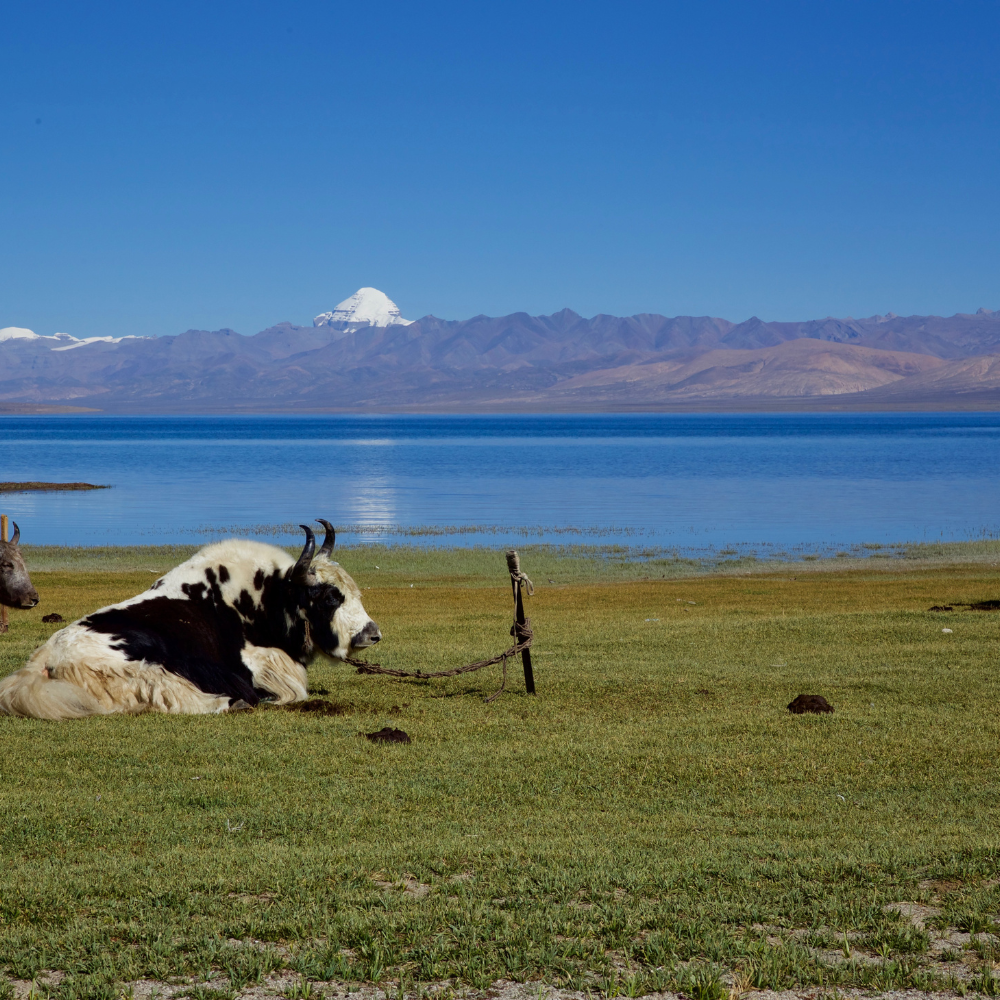
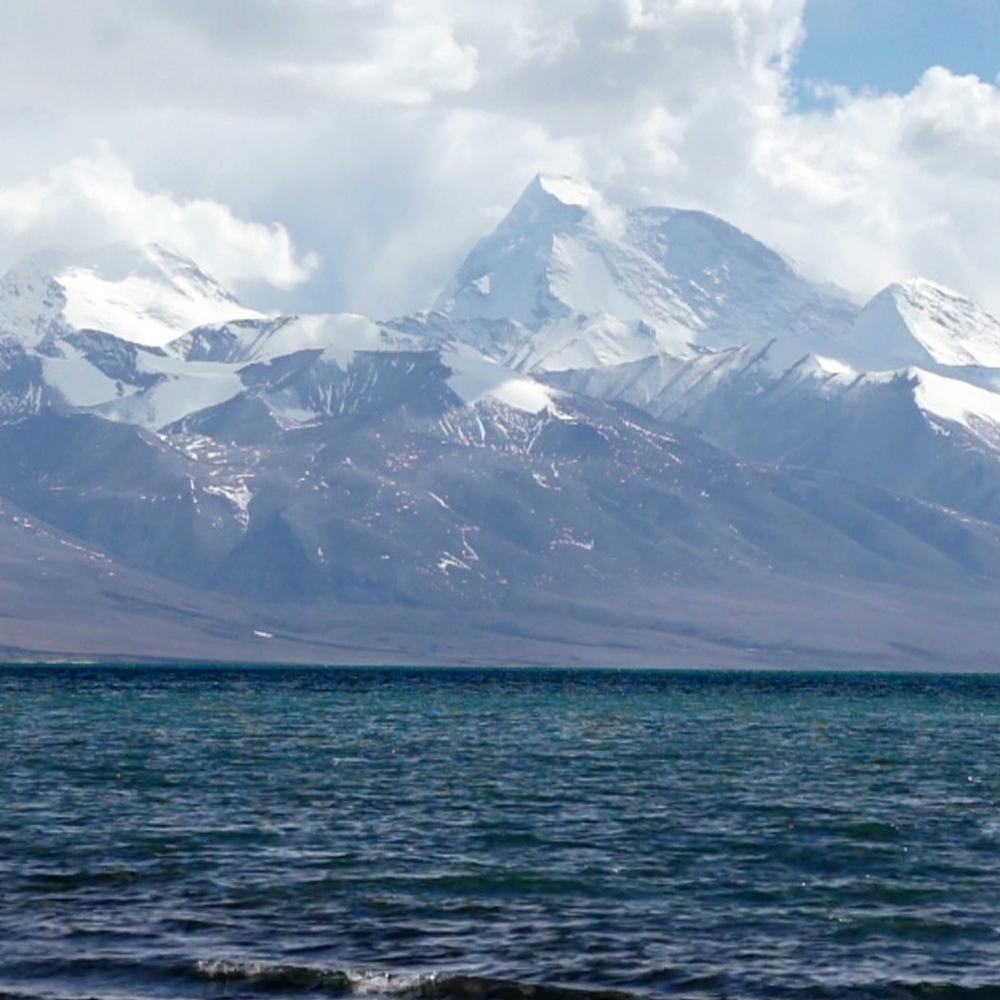
The first real wow usually comes on Day 8 at Lake Mansarovar. You drive up, and there it is, this huge, mirror-like lake sitting at 4,500 meters with Gurla Mandhata towering behind it. If conditions allow, you get to do the snan (sacred bath), light incense, do your puja and hawan right on the shore. The water is freezing, the wind can be sharp, but standing there with your group chanting feels electric. A lot of people say that’s when the trip really sinks in spiritually.
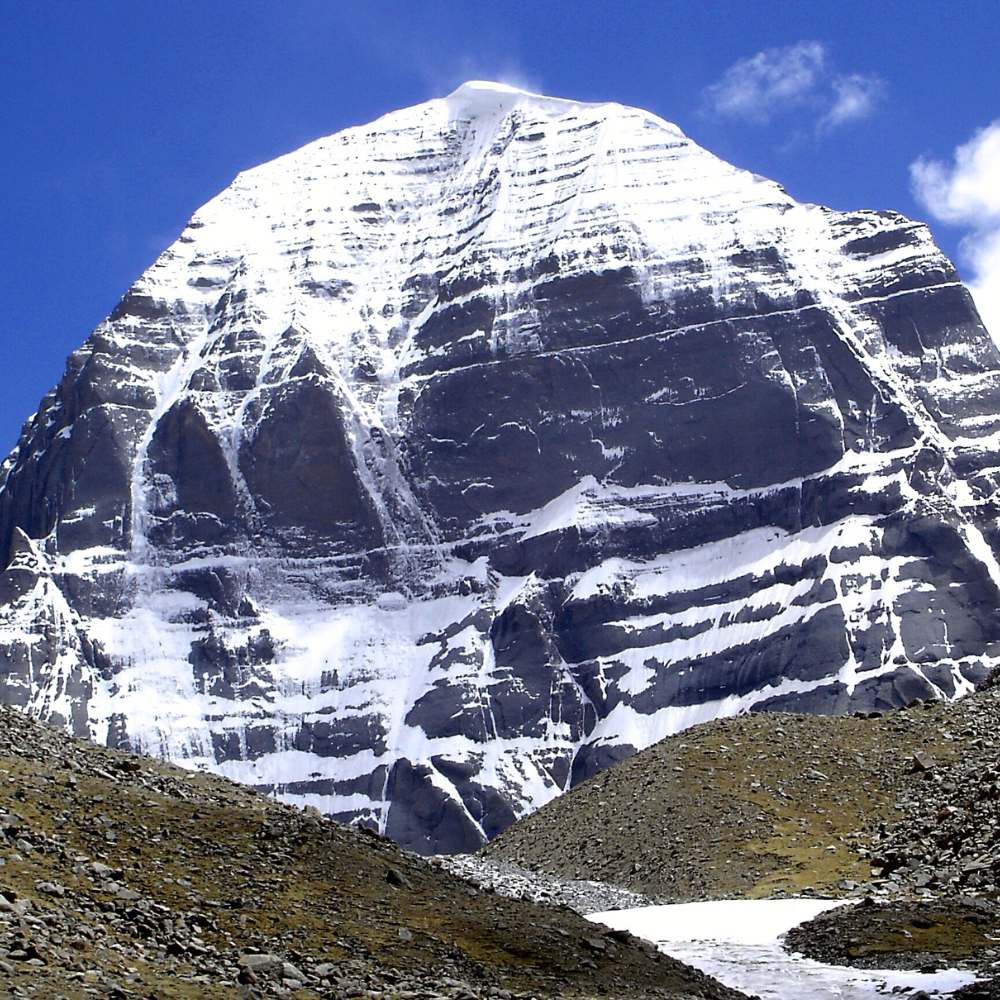
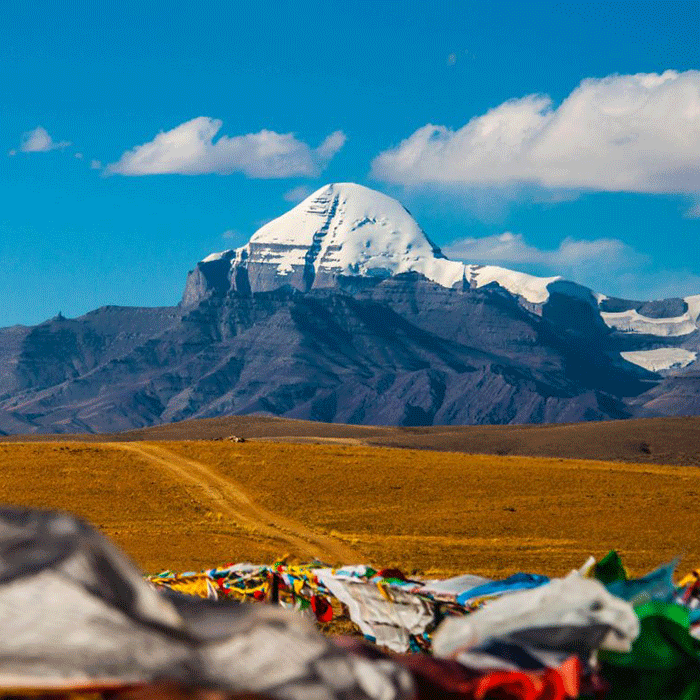
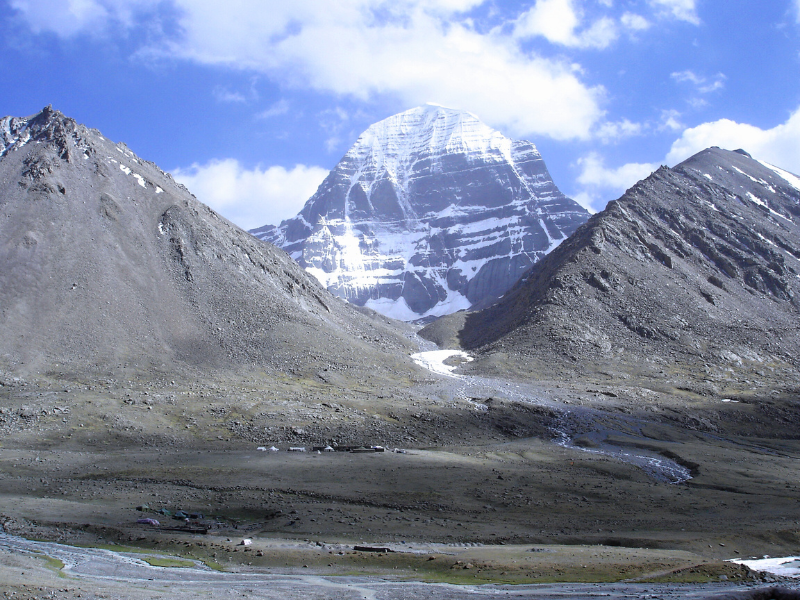
Then there’s the Kailash parikrama itself, the three-day clockwise walk around the mountain. Day 9 is the drive from Darchen to Diraphuk plus a short trek to the guesthouse; you get your first proper look at the north face, which looks almost impossibly symmetrical. Day 10 is the big one: 20–22 km over Dolma La Pass at 5,650 meters. You climb through rocky trails, cross streams, pass piles of mani stones and prayer flags that stretch forever. The pass itself can feel brutal, thin air, cold, maybe a bit of snow, but when you crest it and see the cairn and the views dropping down the other side, it’s pure elation. Day 11 finishes with the descent to Zutulphuk Gompa (Milarepa’s cave is nearby), then the drive back toward Saga. Yaks carry the main bags, sherpas help with pacing, and the whole thing feels like walking in the footsteps of centuries of pilgrims.
The landscapes along the way are another huge draw. You cross the Brahmaputra (Yarlung Tsangpo) river early on, wind through high passes like Mayum La with 360-degree views of snow peaks, spot turquoise lakes that look painted, and drive across emptiness that makes you feel tiny in the best way. Prayer flags flap everywhere, nomads herd yaks in the distance, and the sky is so big it almost hurts to look at.
Don’t sleep on the early days either. Kathmandu gives you Pashupatinath (the smoke, the bells, the sadhus) and Budhanilkantha (the reclining Vishnu statue in the pond), plus a full day to sort gear and attend the briefing. Kyirong has that rest day to adjust to the altitude, and you can wander the small town or visit a local monastery. It all builds up so the high-altitude section doesn’t slam you.
And the food, pure vegetarian Indian meals from start to finish, even in the basic guesthouses in Tibet. Dal, roti, sabzi, rice, occasional kheer or halwa. It keeps everyone fueled without stomach issues.
This isn’t a cushy vacation. It’s a pilgrimage with real physical and mental demands, so set expectations accordingly.
Most days involve 4–8 hours in a vehicle over bumpy, dusty roads, think tourist coach in Nepal, then eco-bus or similar in Tibet. The kora is the toughest part: Day 10 especially is long and high. You’ll feel the altitude, headaches, shortness of breath, maybe nausea for some. We carry oxygen cylinders, oximeters, and a solid first-aid kit, and the Nepali team leader plus Tibetan guide watch everyone closely. Still, it’s not guaranteed to be easy.
Accommodation steps down as you go: 4-star hotels in Kathmandu (clean, hot showers, good beds), decent hotels in Kyirong and Saga, basic guesthouses closer to Kailash (shared rooms, squat toilets, bucket hot water if you’re lucky). Nights get cold fast, pack thermals and a good sleeping bag liner.
Weather is unpredictable. May can be crisp and clear, July–August might bring afternoon clouds or light rain in Nepal, September often gives that golden post-monsoon light. Wind, dust, and sudden temperature drops are normal. Rain gear, layers, and a positive mindset go a long way.
On the emotional side, it’s powerful. You spend two weeks with the same group, strangers at first, then people you’re hugging at the end. There are quiet moments of reflection, group aartis, shared stories around meals. A lot of yatris come back talking about clarity, letting go of old baggage, feeling lighter. It’s not all bliss, there are tough days, but those make the good ones hit harder.
The yatra season is short and specific: May to September. Outside that, the passes close, snow blocks everything, and even the Chinese side shuts down services.
Late May and early June are my personal favorite for first-timers. Skies are usually clear, flowers are out in the lower valleys, crowds are manageable, and you often catch Saga Dawa (the big Buddhist festival month) with extra prayers and circumambulations going on. Nights are cold, but days feel fresh.
June–August is peak season. Longer days, more stable weather overall, though the Nepal side can see monsoon clouds rolling in by late July. Views at Kailash can still be crystal if you time it right, many groups get perfect darshan during these months.
September is beautiful for different reasons: drier air, sharper light, autumn colors starting in the lower areas, and slightly fewer people. The return drives feel more relaxed.
Our 2026 dates are picked for those sweet spots: May 23 & 31, June 21 & 28, July 21 & 26, August 20 & 27, September 10, 18 & 25. They dodge the worst monsoon overlap and early snow risks while giving you solid odds for good weather and visibility.
Start thinking about this 4–6 months out, the earlier, the better.
Fitness first. You don’t need to be a marathon runner, but you do need legs and lungs that can handle 10–12 hours of effort over three days. Walk every day, start with 4–5 km, build to 12–15 km on weekends with some hills. Add stairs, light squats, or cycling. Practice with a daypack so your back and shoulders get used to it. If you can jog or do brisk walks 4–5 times a week for a couple of months, you’ll be fine.
Altitude is the wildcard. Acute Mountain Sickness can hit anyone. Drink 4–5 liters of water daily, eat carbs, go slow, rest when needed. Our itinerary has built-in acclimatization: rest day in Kyirong, gradual climbs. Talk to your doctor about Diamox, lots of yatris start it a day before the high stuff. No smoking, limit alcohol, and watch for symptoms.
Gear-wise: sturdy trekking shoes (broken in), thermal layers, fleece, waterproof/windproof jacket, warm hat, gloves, sunglasses, high-SPF sunscreen, personal meds (headache, stomach, altitude pills), headlamp, reusable water bottle. Main luggage goes in a duffel (truck carries it); daypack for the kora. Passport needs 6+ months validity. Send color scan 2 months early for permits. Book with INR 20,000 advance; balance 3 weeks before.
Mentally, read up, books on Kailash, Milarepa, or just Shiva stories. Set an intention for the trip. Be ready to surrender to the schedule and the group rhythm. That flexibility makes everything smoother.
Health check is non-negotiable, get cleared by a doctor, especially if you have blood pressure, heart, or lung history. Buy travel insurance that covers high-altitude evacuation (helicopter rescue isn’t cheap).
Do all that, and the yatra becomes less about surviving and more about soaking it in.
I’ve been organizing these yatras for a long time, and what keeps people coming back (and sending their relatives) is that we treat it like our own family pilgrimage every single time.
Our Nepali team leaders live and breathe this route, they know which tea house has the best dal, which stretch of road might have a delay, who to call if someone’s struggling. The Tibetan guides we work with year after year are patient, speak good English, and understand why people are doing this, not just tourism, but something deeper. Sherpas and support staff are insured and looked after, which means they’re focused on you.
Safety isn’t an afterthought. We carry oxygen for every group, pulse oximeters to check SpO2 daily if needed, full first-aid, and backup plans for early exits if someone can’t continue. Permits, Chinese visas (Delhi process for Indians, Kathmandu for NRIs), entry fees, all handled smoothly so you don’t waste energy on paperwork.
Food is a big deal on a trip this long. We stick to pure veg Indian cooking the whole way, familiar tastes keep energy up and stomachs calm even at 4,500 meters. Luggage goes on a dedicated truck, yaks handle kora bags, eco-buses run the Tibet legs. No hidden costs; what we quote is what you pay.
Groups feel personal because we keep them manageable and departures fixed. Pre-trip briefing in Kathmandu is detailed, you’ll know exactly what’s coming. There’s a farewell banquet on the last night in Kathmandu, good food, certificates, photos, and usually a lot of teary thank-yous.
At the end of the day, we’re here so you can focus on the mountain, the lake, the parikrama, and whatever it is you’re seeking. We’ve seen thousands of yatris complete this journey, and the ones who come back happiest are the ones who prepared, trusted the process, and let the place do its work.
That’s why Gorkha International Travel keeps getting recommended, because we deliver the real thing, year after year.
route map for Kailash Mansarovar Overland Yatra
 Itinerary
Arrive at Tribhuvan International Airport, Kathmandu. Our representative meets you at arrivals with a warm welcome and transfers you to your hotel. Check-in, freshen up, and rest from the journey. In the late afternoon/evening, join the mandatory group briefing in the hotel conference room. The Nepali team leader explains the full itinerary, altitude tips, daily routine, border formalities, packing reminders, and answers questions. This is also a chance to meet fellow yatris. Overnight: 4★ Hotel, Kathmandu (comfortable rooms, hot water, Wi-Fi)
Morning guided sightseeing: Visit Pashupatinath Temple (one of the holiest Shiva shrines, witness aarti, sadhus, and the sacred Bagmati River) and Budhanilkantha (the massive reclining Vishnu statue lying in a pond, very peaceful and auspicious start). Return to hotel for lunch. Afternoon free for final preparations: buy last-minute items (snacks, medicines, warm layers), pack duffel for truck & daypack for kora, check documents. Optional: visit nearby markets or relax. Evening free. Overnight: 4★ Hotel, Kathmandu
Early breakfast, then depart by private tourist coach through scenic Trishuli River valley. Pass rice terraces, small villages, and suspension bridges. Road gets windier after Trishuli. Stop for lunch en route. Reach Dunche or Syabrubesi (depending on road conditions and group pace)—these are gateway towns to Langtang region. Basic guesthouse check-in, evening walk to stretch legs.
Short but scenic drive to the Rasuwagadhi border (Kerung). Complete Nepal exit formalities, cross Friendship Bridge, and handle China immigration/customs (takes 1–3 hours depending on crowd). Continue to Kyirong (also called Gyirong)—a small Tibetan town with monasteries and pine forests. Afternoon arrival, check-in, light acclimatization walk if energy allows.
Full rest day to adjust to altitude. No major driving. Breakfast, then optional light activities: visit local monastery, short walk around town, shop for Tibetan souvenirs, or just relax with tea and views. Team checks oxygen levels if anyone feels off. Focus on hydration, light meals, and rest—very important before higher zones.
Depart after breakfast. Drive across high Tibetan plateau—stunning barren landscapes, yak herds, distant peaks. Cross the mighty Brahmaputra River (Yarlung Tsangpo) at one of its upper sections. Lunch en route. Reach Saga, a remote town with basic facilities. Evening free to rest.
The longest drive day—epic scenery. Cross Mayum La Pass (5,200 m+), glimpse Peiku Tso lake, then Chhongo Lake. Afternoon: first breathtaking views of Mt. Kailash (west face) and Gurla Mandhata peak. Reach Chiu Gompa area by Lake Mansarovar—holy dip possible if time/energy allows.
Morning: sacred bath (snan) in freezing Mansarovar waters (weather permitting), personal puja, hawan, and parikrama of the lake shore if possible. Breakfast after. Drive short distance to Darchen—the base town for Kailash Parikrama. Afternoon free to rest, shop for kora essentials, or attend group aarti.
Short drive to Tarboche/Darboche (starting point). Begin Kailash Parikrama—easy first trek with stunning north face views of Kailash (the “crystal mountain”). Reach Diraphuk guesthouse by afternoon. Sunset views are magical.
The toughest and most sacred day. Early start, climb to Dolma La Pass (5,650 m)—steep, rocky, thin air, prayer flags everywhere. Cross the pass (auspicious for Hindus/Buddhists), descend past Gauri Kund, then to Zutulphuk Gompa (Milarepa’s cave nearby). Long but rewarding.
Short, gentle morning trek downhill to Zongdo (vehicle pickup point). Board transport and drive back to Saga (reverse route, different light). Afternoon arrival, rest.
Relaxed drive back through the plateau. Re-cross Brahmaputra, enjoy scenery in reverse. Reach Kyirong by afternoon/evening. Time to reflect on the yatra.
Morning departure, cross border back to Nepal (formalites again), then drive to Kathmandu. Reach by late afternoon/evening. Special farewell banquet at hotel—veg feast, certificates, group photos, sharing experiences. Emotional closure.
Morning/afternoon transfer to airport for onward flight (depending on schedule). Breakfast and possibly lunch before departure. Safe travels—carry the blessings of Kailash!
Cost Include
Cost Exclude
gallery and videos
 Additional Information
freqeuntly asked question
enquiry for further inforamtion
package reviews and rating
write reviews
 Group Join Discount
| Nos Of Persons | price per person |
|---|
upcomming fixed departure
| Trip | Departure Date | Price | Trip Status | Action |
|---|---|---|---|---|
| 1. Kailash Mansarovar Overland Yatra | 2026-05-23, N/A | US$ 2250 | ||
| 2. Kailash Mansarovar Overland Yatra | 2026-05-31, N/A | US$ 2250 | ||
| 3. Kailash Mansarovar Overland Yatra | 2026-06-21, N/A | US$ 2250 | ||
| 4. Kailash Mansarovar Overland Yatra | 2026-06-28, N/A | US$ 2250 | ||
| 5. Kailash Mansarovar Overland Yatra | 2026-07-21, N/A | US$ 2250 | ||
| 6. Kailash Mansarovar Overland Yatra | 2026-07-26, N/A | US$ 2250 |
UpComming Fixed Departure
offered features

Selling Expedition
showing varified reviews