
Duration
15 Days
Activity
Mountain Climbing
best season
March-May/Sept-Dec
Accommodation
Teahouse
Destination
Everest Region
New Offers !!! 2026 New Booking open With 10% Discount

 iconic summary
from3Reviews
Guides And Language
facility
Value For Money
Service
Location
Overviews
Mera Peak Climbing is an exhilarating adventure that beckons avid trekkers and mountaineers to one of Nepal's most stunning and accessible peaks. Standing at 6,476 meters, Mera Peak is the highest trekking peak in Nepal, offering spectacular views of five of the world's 8000-meter peaks: Mount Everest, Lhotse, Cho Oyu, Makalu, and Kanchenjunga. This 15-day journey is designed for those seeking both adventure and the opportunity to experience the rich culture and breathtaking landscapes of the Khumbu region.
Starting with a scenic flight to Lukla, the gateway to the Everest region, the trek takes you through lush forests, picturesque villages, and rugged terrains. As you ascend higher, you'll traverse the beautiful Hinku Valley, renowned for its remote and untouched wilderness. The path to Mera Peak Base Camp is dotted with rhododendron and pine forests, glacial moraines, and ancient Sherpa settlements, offering a diverse and captivating trekking experience.
The climb to Mera Peak itself is a thrilling adventure, combining challenging trekking with basic mountaineering. While the ascent is non-technical, it does require a good level of fitness and acclimatization. Our expert guides ensure your safety and provide essential training on the use of climbing equipment, making the climb accessible even to those with limited mountaineering experience.
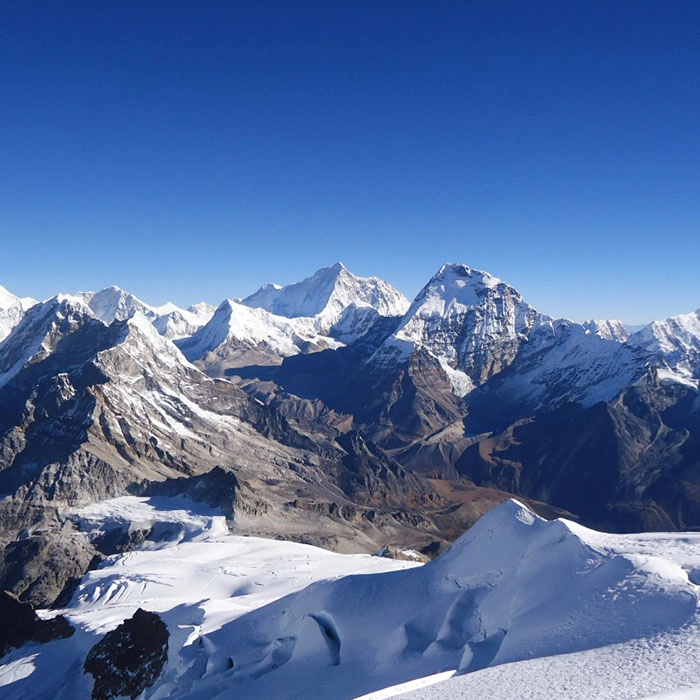
Reaching the summit of Mera Peak is an unforgettable achievement, rewarded with panoramic views that stretch across the Himalayas. The sight of the sun rising over the world's highest peaks is a moment of pure magic, etching lifelong memories in the hearts of those who undertake this journey.
This expedition is not just about the climb; it's also about immersing yourself in the rich Sherpa culture, exploring remote villages, and experiencing the warm hospitality of the local people. Whether you are an experienced climber or a passionate trekker seeking a new challenge, Mera Peak Climbing promises an extraordinary adventure that blends physical challenge with cultural discovery.
Mera Peak is classified as a trekking peak by the Nepal Mountaineering Association, making it a popular choice for those looking to step into the world of mountaineering. Despite being non-technical, the climb demands a high level of physical fitness and stamina. The best seasons for Mera Peak climbing are pre-monsoon (March to May) and post-monsoon (September to November), offering clear skies and moderate temperatures.
The ascent involves navigating through glaciated terrains, and climbers must be familiar with the use of crampons, ice axes, and ropes. The climb from high camp to the summit typically begins early in the morning, aiming to reach the peak by sunrise for the best panoramic views. The return journey involves careful descent and re-tracing the route back to Lukla.
Safety is paramount, and climbers are advised to follow their guides' instructions carefully. Adequate acclimatization days are built into the itinerary to minimize the risk of altitude sickness. This adventure promises not just the thrill of climbing one of Nepal's highest trekking peaks but also the joy of experiencing the diverse and beautiful landscapes of the Himalayas.
Kothe Peak: An optional subpeak for those seeking an additional challenge.
Kusum Kanguru: Explore the nearby Kusum Kanguru, another impressive trekking peak.
Trek Facts:
Max Altitude: 6,476 meters (Meera Peak)
Duration: 10 days
Difficulty: Challenging
Best Time: Spring (March to May) and Autumn (September to November)
Group Size: Small groups for personalized attention
Meera Peak was first climbed in 1956 by a British expedition led by Edmund Hillary. Since then, it has become a popular destination for trekkers and climbers seeking the thrill of high-altitude adventure.
How Can We Make This Trek More Effective:
Preparation: Prior physical fitness training and altitude acclimatization.
Stay Hydrated: Drink plenty of water to combat altitude sickness.
Follow Guide's Advice: Listen to your experienced guides for safety and success.
Pack Light: Bring only essential gear to reduce weight and fatigue.
Mental Resilience: Prepare for challenging weather conditions and high altitudes mentally.
Embark on this epic 10-day Meera Peak Climbing Adventure, where you'll summit one of Nepal's most stunning peaks, soak in the rich culture of the Khumbu region, and create lasting memories. Our team of experts will ensure your safety and comfort throughout this incredible journey. Dare to conquer Meera Peak with us!
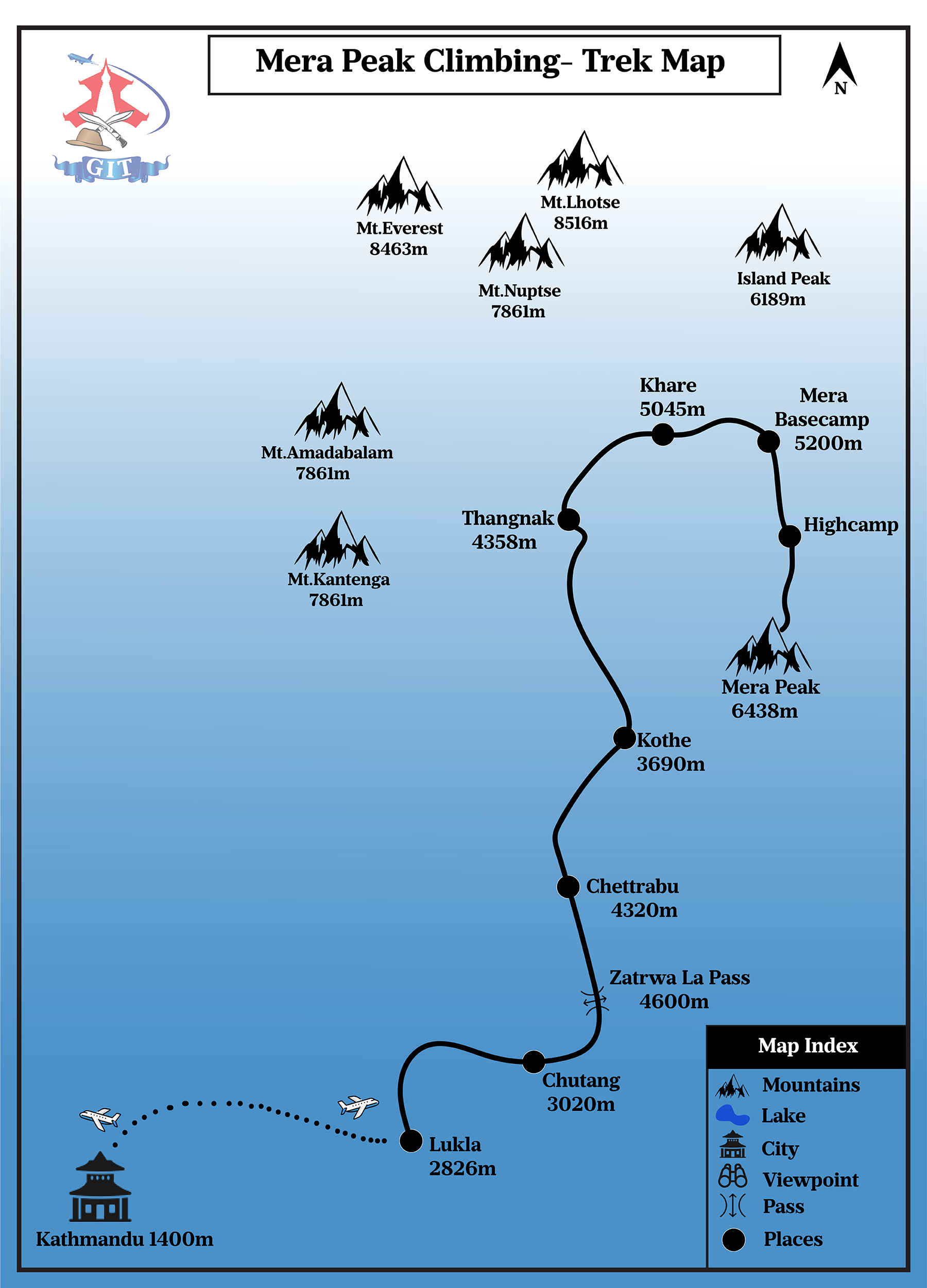
route map for Mera Peak Climbing 15 Days
 Itinerary
Upon your arrival in Kathmandu, the bustling capital city of Nepal, your Mera Peak adventure begins. You'll land at Tribhuvan International Airport and be greeted by the vibrant atmosphere and rich culture of the city. A comfortable hotel in Kathmandu will be your base for the day, allowing you to recover from your journey and adjust to the local timezone. Additionally, you'll have a pre-climbing briefing with your trekking company to discuss essential details about the ascent and ensure everyone is well-prepared.
The adventure begins with an exhilarating early morning flight from Kathmandu to Lukla, a small town nestled in the heart of the Himalayas. The 30-minute flight offers breathtaking views of the towering peaks and verdant valleys below, providing a tantalizing glimpse of the journey ahead. Upon landing at Tenzing-Hillary Airport, we meet our trekking crew and prepare for the trek. Leaving Lukla, the trail leads us through a bustling Sherpa village, where we catch the first glimpses of the region’s rich culture and traditional way of life. As we leave the village, the path ascends gradually through dense pine and rhododendron forests, alive with the sounds of chirping birds and the occasional sighting of local wildlife.
The trek to Chutanga is a gentle introduction to the varying terrains of the Khumbu region. We traverse through lush landscapes, crossing small streams and passing by terraced fields. The air grows cooler and crisper as we gain altitude, with the serene surroundings providing a peaceful start to our trek.
After a few hours of steady hiking, we reach Chutanga, a quiet pastureland surrounded by towering hills. This is where we set up camp for the night. Here, we rest and acclimatize, enjoying our first night under the Himalayan stars, readying ourselves for the adventures to come. The simplicity of life in the mountains begins to sink in, as we embrace the natural beauty and tranquil atmosphere of Chutanga.
This day is dedicated to acclimatization, an essential step in our journey to ensure a successful and safe ascent of Mera Peak. Staying an extra day in Chutanga helps our bodies adjust to the increasing altitude, reducing the risk of altitude sickness as we ascend higher in the days ahead. The day starts with a leisurely breakfast amidst the serene surroundings of Chutanga. Afterward, we embark on a short hike to higher altitudes, practicing the "climb high, sleep low" principle. This involves trekking to a higher elevation and then returning to Chutanga to sleep, which aids in acclimatization.
Our hike takes us through lush rhododendron and juniper forests, offering stunning views of the surrounding hills and valleys. The path may be steep in some sections, but the slow and steady pace allows us to enjoy the breathtaking scenery and observe the unique flora and fauna of the region. Along the way, our guides provide insights into the local ecology and culture, enhancing our appreciation of the Khumbu region's natural beauty. Returning to Chutanga in the afternoon, we have the rest of the day to relax and enjoy the tranquility of the campsite. This time is perfect for mingling with fellow trekkers, sharing stories, and soaking in the peaceful mountain atmosphere. For those interested, our guides can conduct a brief session on using climbing equipment, preparing us for the challenges ahead.
As evening falls, we gather for a hearty dinner, followed by some well-deserved rest. The acclimatization day not only strengthens our bodies but also allows us to fully immerse ourselves in the majesty of the Himalayas, setting the stage for the thrilling adventure that lies ahead.
Today’s trek from Chutanga to Kothe is a journey through diverse landscapes and a chance to experience the changing scenery of the Khumbu region. We start the day with an early breakfast and set out on the trail, leaving behind the peaceful meadows of Chutanga.
The trek begins with a gradual descent through dense forests of pine and rhododendron, which offer shade and respite from the sun. As we descend, the trail winds along the banks of the Hinku Khola River, crossing several small streams and enjoying the soothing sounds of flowing water. The lush greenery and occasional sightings of wildlife make this part of the journey particularly enjoyable.After a few hours, we begin a steady ascent towards Kothe. The trail becomes more rugged and the terrain steeper as we gain altitude. The views along the way are spectacular, with glimpses of snow-capped peaks and the vast, open landscapes of the Hinku Valley coming into view.
Arriving in Kothe in the afternoon, we find a small settlement nestled along the river. Kothe is a charming stopover with a few lodges and teahouses where we set up camp for the night. This small village provides a tranquil setting for relaxation after the day's trek. In the evening, we gather for a hearty meal, reflecting on the day's journey and preparing for the next phase of our adventure. The peaceful atmosphere of Kothe allows us to unwind and enjoy the serene beauty of the Himalayan foothills, making it a perfect end to a rewarding day on the trail.
Your trek leads you to a scenic trek from Kothe to Thangnak, a journey that reveals the raw beauty of the Hinku Valley and the surrounding alpine landscapes. After a nutritious breakfast, we set off from Kothe, following a well-trodden trail that ascends gradually through the valley. The trek begins with a gentle climb through a forested area, where the foliage gradually thins out as we gain altitude. As we progress, the landscape transforms into open meadows dotted with vibrant wildflowers and rugged terrain. The Hinku Khola River continues to accompany us, clear waters flowing swiftly beside the trail.
As we trek higher, the views become increasingly dramatic. The towering peaks of the surrounding mountains emerge from the mist, providing breathtaking panoramas of the rugged Himalayas. The path passes through a series of scenic viewpoints, each offering stunning vistas of the snow-capped summits and vast valleys below. The ascent to Thangnak is a steady climb, with the trail gradually gaining altitude. Thangnak, situated at an elevation of around 4,358 meters, is a beautiful settlement with traditional lodges and teahouses where we will spend the night. The village is nestled in a picturesque setting, surrounded by majestic peaks and alpine meadows.
Upon arrival in Thangnak, we set up camp and take some time to relax and acclimatize to the altitude. The evening is a chance to enjoy the serene environment, take a leisurely stroll around the area, and soak in the magnificent views of the Himalayan peaks. As the sun sets, we gather for a satisfying dinner, reflecting on the day's journey and preparing for the next leg of our adventure.
Today, your path takes you from Thangnak to Khare, a significant milestone on our journey to Mera Peak. After breakfast, we begin our ascent, following a trail that gradually climbs through alpine terrain.
The path from Thangnak to Khare is marked by a gradual increase in elevation, with the trail winding through rocky landscapes and sparse vegetation. As we ascend, the terrain becomes more rugged, and the landscape opens up to reveal expansive views of the surrounding peaks and glaciers. The rising altitude offers a chance to acclimate to the thinning air, an essential aspect of our preparation for the climb ahead. The trek involves crossing several small streams and moraines, with the trail offering increasingly dramatic views of the towering peaks and expansive glaciers. The contrast between the rocky path and the snowy peaks creates a striking visual impact, highlighting the rugged beauty of the Himalayas.
Upon reaching Khare, situated at around 5,045 meters, we are greeted by a stunning alpine environment. Khare is a small settlement with basic lodges and teahouses, providing a suitable base camp for the next phase of our adventure. Here, we have the opportunity to rest and prepare for the forthcoming climb. In the afternoon, we can take a short acclimatization hike to higher elevations, which helps in adjusting to the altitude and prepares us for the climb to Mera Peak. The evening is spent relaxing and discussing the upcoming climb, ensuring that everyone is mentally and physically ready for the challenge.
Day 7 is dedicated to acclimatization, crucial for ensuring a successful and safe ascent of Mera Peak. Staying an extra day in Khare allows our bodies to adjust to the high altitude and prepares us for the physical demands of the climb. We start the day with a hearty breakfast, then embark on a short acclimatization hike to higher elevations. This involves trekking up to a nearby ridge or a higher vantage point to get our bodies accustomed to the altitude. The hike is not overly strenuous but aims to challenge our stamina and help with acclimatization.
During this acclimatization hike, we enjoy spectacular views of the surrounding peaks and glaciers. The crisp mountain air and the stunning panoramas provide a rewarding experience, reinforcing our commitment to the journey ahead. Our guides are on hand to provide tips on altitude management and to ensure everyone is coping well with the altitude. After returning to Khare, we have the afternoon to rest and relax. This downtime is crucial for recovery and allows us to focus on preparing for the ascent to Mera Peak. We use this time to review our climbing gear, receive final instructions from our guides, and mentally prepare for the challenges ahead.
The evening is spent discussing the climbing plan, reviewing safety procedures, and ensuring that all necessary equipment is in order. A nutritious dinner is served, and we retire early to get a good night’s sleep. The acclimatization day is an important step in our journey, ensuring that we are fully prepared for the climb and can tackle the challenges of Mera Peak with confidence and strength.
This is a pivotal day in your journey, that marks a pivotal moment in our expedition as we set our sights on reaching Mera Peak's High Camp. This day is crucial for preparing us for the summit attempt and involves a challenging ascent that will test our endurance and climbing skills. We begin the day early, with a hearty breakfast to fuel our climb. The trek from Khare to High Camp is a demanding journey through rugged, glaciated terrain. The trail ascends steadily, winding through moraines and crossing crevassed areas as we gain altitude. The landscape becomes increasingly dramatic, with expansive views of the surrounding peaks and glaciers.
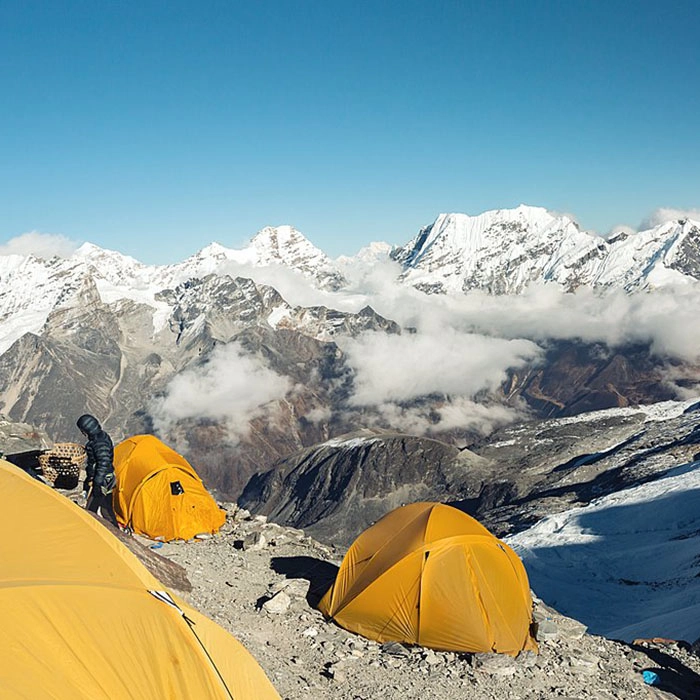
As we climb, the air becomes thinner, and each step requires greater effort. The path to High Camp is marked by a gradual ascent, with sections that may require the use of crampons and ice axes, depending on the snow and ice conditions. Our guides will lead us through these sections, providing necessary support and instruction to ensure safety. Reaching High Camp, located at approximately 5,780 meters, is a significant achievement. The camp is situated on a rocky ridge, offering spectacular views of the surrounding peaks and the route we will take to the summit. High Camp provides a temporary yet crucial base where we will rest and prepare for the summit attempt the following day.
The afternoon at High Camp is spent acclimatizing and organizing our climbing gear. Our guides will conduct a final briefing, reviewing the summit plan and safety procedures. We ensure that all necessary equipment is ready and functioning, and we take time to hydrate and rest. As night falls, we prepare for an early start the next day. The excitement and anticipation build as we prepare for the summit attempt. A nutritious dinner and an early night’s rest are crucial for the energy and focus needed for the final push to the summit. Day 8 is a demanding but essential part of our journey, setting the stage for the thrilling summit bid ahead.
This day is the culmination of our Mera Peak Climbing adventure, as we aim for the summit of Mera Peak and then return to Khare. It’s an exhilarating and demanding day, filled with anticipation and excitement. We begin the day very early, typically around midnight or before, to make the most of the optimal climbing conditions. After a quick, high-energy breakfast, we gear up and head out from High Camp, beginning our ascent under the starlit sky. The climb to the summit is a challenging but rewarding journey, involving steep sections of ice and snow.
The route to the summit requires careful navigation and the use of climbing equipment such as crampons, ice axes, and ropes. Our experienced guides lead us through these sections, ensuring safety and providing support as needed. The climb is strenuous, but the stunning views and the sense of accomplishment drive us forward. As we approach the summit, we are rewarded with breathtaking panoramic views of the Himalayan giants, including Everest, Lhotse, Cho Oyu, Makalu, and Kanchenjunga. Standing at 6,476 meters, the summit of Mera Peak offers an unparalleled vantage point, and the achievement of reaching this height is a memorable and triumphant moment.
After taking time to celebrate and enjoy the views, we begin our descent back to High Camp. The return journey requires careful attention to avoid any accidents and to ensure a safe and efficient descent. Once back at High Camp, we take a well-deserved break and enjoy a meal before continuing our descent. The trek back to Khare is a long but manageable descent. As we retrace our steps through the rugged terrain, the journey becomes less strenuous, though we remain vigilant and cautious. Arriving in Khare, we are greeted with a sense of relief and accomplishment. The evening is spent reflecting on the summit achievement, enjoying a celebratory meal, and resting after the strenuous day. Day 9 is a memorable and fulfilling conclusion to our climbing adventure, marking the successful ascent of Mera Peak and the return to our base camp.
Today, you'll retrace your steps back to Kothe. On this day, we descend from Khare back to Kothe, retracing our steps through the stunning landscapes of the Hinku Valley. After a well-earned breakfast at Khare, we prepare for the journey back, ensuring all our gear is packed and ready. The descent begins with a steady trek down from Khare, which is considerably less strenuous compared to the ascent. The trail winds through rocky terrain and glacial moraines, gradually transitioning into lush forests and meadows as we lower our altitude. The stunning vistas of the surrounding peaks and valleys provide a picturesque backdrop for our trek.
As we make our way back to Kothe, we pass through sections of alpine flora, with vibrant wildflowers and occasional wildlife sightings enhancing the natural beauty of the trail. The path follows the Hinku Khola River, clear, rushing waters provide a soothing soundtrack to our descent. Reaching Kothe in the afternoon, we find a welcoming retreat in the small village. The familiar surroundings of this tranquil settlement offer a comfortable environment to rest and recover. We set up our camp, or check into local lodges if preferred, and take some time to relax after the day's trek.
In the evening, we gather for a hearty meal, sharing stories of the adventure and enjoying the camaraderie of our group. The descent to Kothe marks a significant step in our journey, as we reflect on the success of our climb and prepare for the remaining trek back to Lukla. Day 10 is a rewarding day, combining the joy of accomplishment with the relaxing return through the beautiful landscapes of the Khumbu region.
Today’s trek consists of both ascends and descends. Day 11 takes us from Kothe to Thuli Kharka, a scenic and invigorating trek that transitions from the lower regions of the Hinku Valley to the more rugged and remote terrain of Thuli Kharka. After a nutritious breakfast in Kothe, we set out on the trail, ready for another day of exploration. The trek begins with a gradual ascent through the lush forests and meadows we traversed on our way to Kothe. As we climb, the landscape begins to change, with the forest giving way to more open terrain and views of the surrounding peaks. The trail follows a series of ridges and passes, offering breathtaking panoramas of the Himalayas and the valley below.
As we continue our ascent, we navigate through rocky sections and cross small streams, with occasional steep climbs that challenge our endurance. The higher altitude begins to offer cooler temperatures and more dramatic views, adding to the sense of adventure as we make our way to Thuli Kharka. Thuli Kharka, situated at approximately 4,300 meters, is a picturesque and relatively remote area, providing a tranquil setting for our overnight stay. The landscape here is characterized by its expansive meadows and panoramic views of the surrounding peaks. Upon arrival, we set up camp and take some time to relax and enjoy the serene environment.
The afternoon is free for exploring the nearby area or simply unwinding after the day's trek. We gather for a well-deserved dinner, sharing stories of the journey and reflecting on the progress made. Day 11 is a day of transition, moving from the familiar terrain of the Hinku Valley to the more isolated and breathtaking landscapes of Thuli Kharka.
Today is your last walking of your adventure of Mera Peak in Nepal. It’s an easy descend walking, from Thuli Kharka to Lukla, crossing the challenging Zatrwa La Pass along the way. After a hearty breakfast in Thuli Kharka, we prepare for an exhilarating trek that combines the thrill of high-altitude climbing with the beauty of the Himalayan landscape. Our journey begins with a steep ascent as we head towards Zatrwa La Pass, located at approximately 4,600 meters. The trail is rugged and demanding, requiring careful navigation over rocky and snowy sections. As we climb, the views become increasingly dramatic, with sweeping panoramas of the surrounding peaks and valleys providing motivation for the challenging trek.
After enjoying the views and catching our breath, we begin the descent towards Lukla. The trail descends steeply through alpine meadows and forests, gradually transitioning to the more familiar terrain we experienced earlier in the trek. The descent is long but manageable, offering beautiful views of the valley and the chance to reflect on the journey so far. Arriving in Lukla in the late afternoon, we find a welcoming environment to rest and relax after the day's strenuous trek. The bustling town provides a comfortable setting for our final night in the Khumbu region. We celebrate the successful completion of our trek with a hearty meal, sharing stories and memories of the adventure.
This is a day of accomplishment and celebration, marking the end of our trek with the crossing of the Zatrwa La Pass and the return to Lukla.
You will catch early morning flight to Kathmandu from Lukla. The 35-minutes flight will provide you amazing views of Himalayas. Once landed on Kathmandu you will be driven to hotel by our representative. You can enjoy the rest of the day in Kathmandu doing things you like. This day is actually planned as buffer day too as just in flight gets cancelled due to bad weather.
This day is dedicated to either exploring Kathmandu or serving as a backup for any potential flight delays from Lukla. After a restful night in Kathmandu following our return flight, we have the opportunity to immerse ourselves in the vibrant culture and rich history of Nepal's capital. For those who choose to explore Kathmandu, the day offers a chance to visit some of the city's most iconic landmarks. We can start with a visit to the UNESCO World Heritage Sites, such as Swayambhunath (the Monkey Temple) and Boudhanath Stupa. Swayambhunath provides stunning panoramic views of the city and a fascinating insight into Nepalese Buddhism and culture, while Boudhanath is one of the largest stupas in the world, renowned for its spiritual significance and vibrant atmosphere.
Another must-see is the historic Durbar Square, where we can marvel at the ancient architecture and intricate wood carvings of the temples and palaces. The lively streets around the square are perfect for shopping for souvenirs, sampling local cuisine, and experiencing the bustling energy of Kathmandu. If the weather or flight schedules from Lukla have caused any delays, Day 14 serves as a backup day. This extra day ensures that we have sufficient time to accommodate any unforeseen issues with the Lukla flight, allowing for a smooth and stress-free return journey to Kathmandu.
In the evening, we gather for a farewell dinner, reflecting on the incredible journey we've shared. This meal is an opportunity to celebrate our achievements, exchange stories, and savor some of the local dishes that Nepal has to offer. Day 14 is a day of both cultural exploration and practical preparation, ensuring a satisfying conclusion to our Mera Peak adventure and a memorable experience in Kathmandu.
During the final day, we wrap up our memorable journey with heartfelt farewells and final goodbyes. After a leisurely breakfast, we prepare for our departure, reflecting on the incredible experiences and friendships forged during our adventure. As we head to the airport, we take a moment to appreciate the beauty of Nepal and the triumphs of our trek. With a heart full of cherished memories, we depart, carrying the spirit of the Himalayas with us always. Safe travels and until we meet again!
Cost Include
Cost Exclude
gallery and videos
 Additional Information
freqeuntly asked question
enquiry for further inforamtion
package reviews and rating

2023-10-16 16:55:20
The journey to Mera Peak, nestled in the stunning Makalu Barun National Park, was an adventure from the very start. The flight to Lukla, the trek through the Solu-Khumbu region, and the gradual ascent to the base camp created a sense of anticipation and wonder that grew with each passing day.
2023-10-16 16:53:39
Mera Peak climbing was an adventure of a lifetime that exceeded all expectations. Nestled in the heart of the Himalayas, this expedition offered a perfect blend of thrilling challenges, breathtaking vistas, and the rich cultural experience that Nepal is famous for.
write reviews
 Group Join Discount
| Nos Of Persons | price per person |
|---|---|
| 1 persons | US$ 2400 |
| 2 persons | US$ 2280 |
| 3-5 persons | US$ 2232 |
| 6-9 persons | US$ 2160 |
| 10-15 persons | US$ 2112 |
| 16+ persons | US$ 2040 |
upcomming fixed departure
| Trip | Departure Date | Price | Trip Status | Action |
|---|---|---|---|---|
| 1. Mera Peak Climbing 15 Days | 2026-10-22, 15 days | US$ 2400 |
UpComming Fixed Departure
offered features

Selling Expedition

William Miller - Chicago, Illinois
2023-10-16 16:55:28
The journey to Mera Peak, nestled in the stunning Makalu Barun National Park, was an adventure from the very start. The flight to Lukla, the trek through the Solu-Khumbu region, and the gradual ascent to the base camp created a sense of anticipation and wonder that grew with each passing day.