
What Is Tea House Food and What Can Trekkers Expect?
Tea house food consists of homely dishes provided by the guesthouses along treks, giving travelers an easy way to replenish their bodies without having to carry heavy loads of food. The food provided in tea houses varies by location, but in general, tea house food consists of traditional Nepalese dishes as well as international items designed to provide adequate energy for trekking. Whether it is a sumptuous meal such as dal bhat or something light like soup or noodles, tea house food is essential for providing sufficient energy for trekkers. Knowing what kinds of food you are likely to find in tea houses will help you eat wisely and stay fueled during your trek. The key things that trekkers need to remember:
Food items in the menu usually consist of typical Nepali foods, Tibetan foods, and basic international foods.
Dal bhat happens to be the most consumed food by trekkers owing to its balance of carbohydrates, proteins, and vegetables.
Fresh food options might be difficult to come across in remote areas as a result of logistical problems.
Breakfast, lunch, snacks, hot beverages, coffee, and dinner can be found at any tea house.
Food items that happen to be vegetarian are more numerous and are preferable when at higher altitudes.
Portions served in tea houses are generally large enough to meet the daily calorie needs of trekkers.
The main purpose of hot food is to provide warmth to the body and restore energy after hours of trekking.
Foods served in tea houses do not have a gourmet feel but focus on nutrition.
The variety of foods can vary in different trekking destinations depending on the time of year.
Why Proper Nutrition Matters at High Altitudes
When at high altitudes, good nutrition is not only important for general health and wellness but also for how your body operates under such harsh conditions. As one ascends up the hill, there is less oxygen, thus increasing the rate of metabolism and making the body work extra hard to function normally. This results in burning of extra calories during the process, exhausting the energy reserves for the body much quicker than when at low altitudes. The importance of having healthy food, therefore, cannot be underestimated as it prevents such complications among others.
The function of carbohydrates becomes highly crucial due to their ability to provide immediate energy to the body, as well as a lesser oxygen requirement when compared to the metabolization of fats. Dishes such as rice, potatoes, noodles, and bread are usually available at tea houses, which becomes important during physical activities that go on continuously without any pause. Similarly, proteins also become highly significant to the body, as they assist in muscle recovery following long hikes and help lower physical degeneration due to strenuous activity performed over multiple days.
Neglecting good nutrition leads to difficulty in handling the pressure exerted by altitude, worsening altitude sickness, and decreasing trekking performance. The consumption of food on time, taking nutritious meals, and drinking water are some straightforward ways that enable trekkers to be safe, enduring, and enjoy trekking at altitude.
The Best Breakfast Options to Start Your Trekking Day
Choosing the right breakfast before embarking on a journey is one of the most crucial aspects that must be considered when trekking. The high altitude trekking tours require you to choose a meal that not only satisfies you but will also be easily digestible at the beginning of the day as your body adjusts to higher altitudes. Tea houses located along trekking paths have plenty of different breakfast meals on their menu that include local delicacies combined with simple international meals. This helps in balancing your body's energy levels and enables you to stay fresh and active throughout the day while trekking.
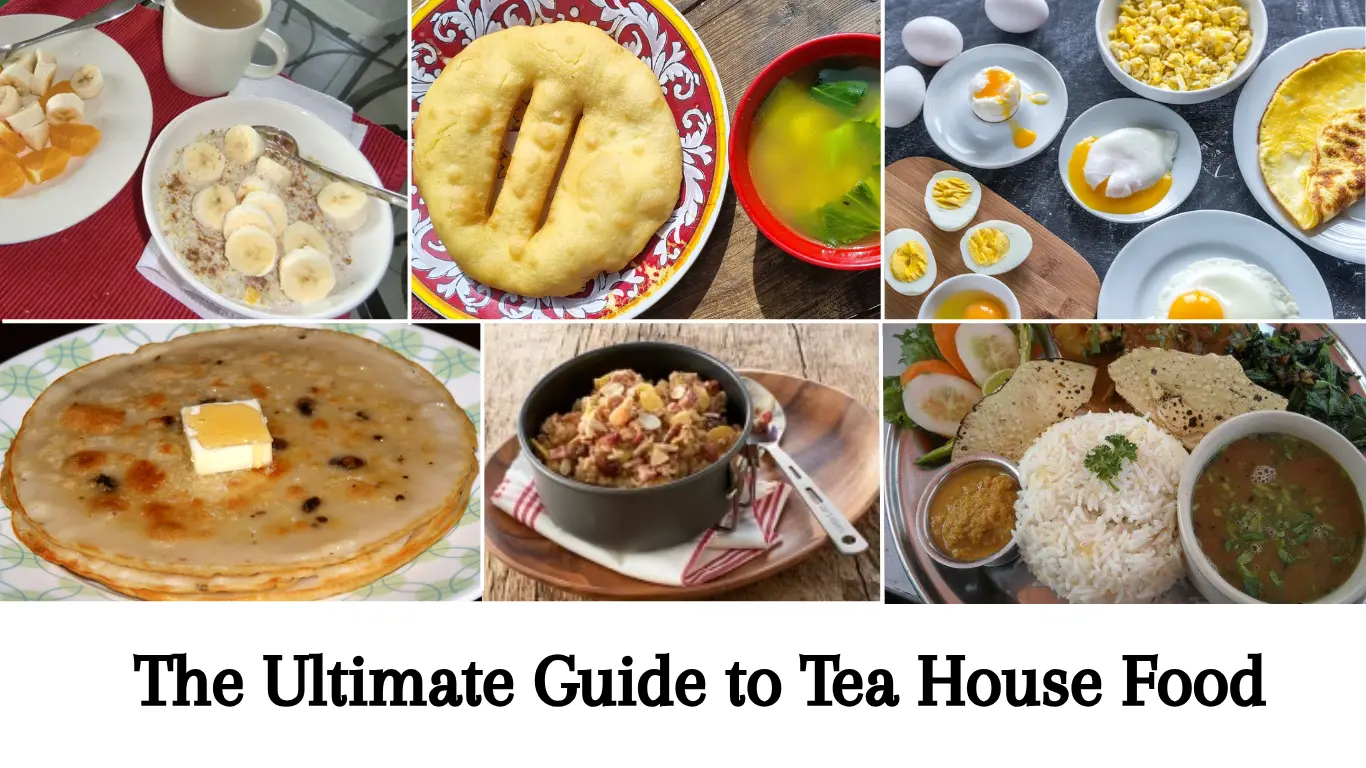
Porridge: It consists of oats, which are a nutritious and mushy breakfast dish that is prepared by boiling oats in water or milk. Porridge mainly consists of carbohydrates and fiber, along with other components such as milk, sugar, and dry fruits to provide energy. Hikers tend to prefer porridge due to its sustained release of energy throughout the journey. Additionally, porridge is highly digestible and thus ideal for hiking at high altitudes where the appetite and digestion may be impacted.
Tibetan Bread: The bread is a thick and slightly fried type of bread that can be easily found in the teahouses of the Himalayas. The bread is mostly made from white flour and prepared with oil or butter, accompanied by jam, honey, eggs, or vegetable curry. For trekkers, the advantage of this type of bread is that it helps to get instant energy before going trekking.
Eggs: It ranks among the top protein-based foods consumed during breakfast at tea shops in various boiled, fried, or omelet forms. Eggs are known to be rich sources of proteins, good fats, and other vitamins and minerals that are crucial for strengthening the body. Trekkers prefer eggs because they have the ability to rebuild muscles, stave off hunger, and supply enough energy for strenuous uphill walks.
Pancakes: This is a soft food made from batter and eaten during breakfast with toppings such as honey, jelly, and sugar. They are carbohydrate-rich and sugary, providing instant energy for the body in the morning. Pancakes make an ideal choice among trekkers who require instant energy. The food suits chilly mornings since one can enjoy a warm and sweet meal before hiking.
Muesli: It is a healthy food consisting of oats, nuts, seeds, and dried fruits, which can be consumed along with milk or yoghurt. Muesli provides a good balance of fibre, proteins, and natural sugars, which ensures sustained release of energy. Trekking enthusiasts consume muesli since it is light but provides sufficient nutrition to sustain energy levels throughout the trek.
Popular Tea House Meals for Lunch and Dinner
Lunch and dinner are perhaps the two most significant meals while on a trek since they provide the body with the energy that is lost due to continuous walking across the rough terrains of the mountains. In tea houses located in the areas where there is much trekking, the food is provided in such a way that it is fulfilling, rich in calories, and easy to prepare using the limited available resources in the locality. You should expect both traditional Nepalese foods and some Western meals as well to enable trekkers to choose from a wide range of foods.
Dal Bhat: This is a classic Nepalese cuisine that consists of steamed rice with lentil soup (dal), vegetable curry prepared using seasonal vegetables, some pickles, and even meat curry in certain areas. At many tea shops, it is one of the best cuisines for trekking because it gives trekkers plenty of energy due to its generous serving. Selecting Dal Bhat will be one of the best decisions because it ensures an all-around supply of nutrients such as carbohydrates, protein, and even vitamins.
Momos: They are a type of dumpling containing fillings such as vegetables, chicken, or buffalo meat, enveloped in dough that is steamed or fried. The momos are typically accompanied by a hot tomato-based sauce that acts as a dip. The trekkers select the momos because they are light but still fulfilling, easy to consume after strenuous hiking, and give a quick burst of energy.
Thukpa: It is a hot noodle soup made using wheat or rice noodles, vegetables, meat (as an option), broth, and herbs from the Himalayan region, such as garlic and ginger. It is highly consumed in the highlands due to its heating and rehydration effects. Taking this food will be ideal since it will help you regain your body heat, stay hydrated, and have a balanced intake of carbohydrates.
Fried Rice: The most common form of fried rice found in tea houses consists of rice that has been stir-fried with various ingredients such as vegetables, eggs, soy sauce, and, at times, chicken or buffalo meat. Fried rice is an energy-filled dish that can be easily found on trekking trails. The main reason why trekkers enjoy eating fried rice is that it can be made quickly, is filling, and contains carbohydrates.
Pasta: This consists of boiled noodles covered with tomato sauce, cheese, vegetables, or even meat. This is a common food enjoyed by many foreign trekkers and can be found in various areas known for trekking. Pasta is a healthy choice because it gives stable carbohydrates which provide energy and, at the same time, are light for digestion.
Common Food Safety Tips for Trekking in the Himalayas
When hiking in the Himalayas, food safety is just as essential as picking out appropriate foods. In high altitudes, your body is very sensitive, and any small issue with your food may cause a big impact on your energy levels and general comfort. As kitchen services provided by tea houses are far away from their base camps, hikers should be careful with their eating and drinking habits. Food safety can help avoid health problems such as stomachaches, fatigue, and dehydration during the whole trekking adventure.
Avoid consuming untreated water and instead obtain boiled water or purification tablets due to its possible contamination with bacteria.
Choose freshly cooked food instead of any leftovers that might have been sitting around, which increases the chances of getting an infection from the food.
Raw veggies can be rinsed with unhygienic water; therefore, it is preferable to take cooked veggies or fruits that you can peel yourself.
Make sure to eat fully cooked meat, eggs, or any other dish as a precaution against any diseases.
Fresh dairy foods might not always be kept in a refrigerator, and should be consumed with caution.
It is advisable to sanitize your hands before having your meal in order to minimize bacterial infections.
Eating at busy and reputable tea houses often ensures better food turnover and higher hygiene standards.

.webp)
showing comments