
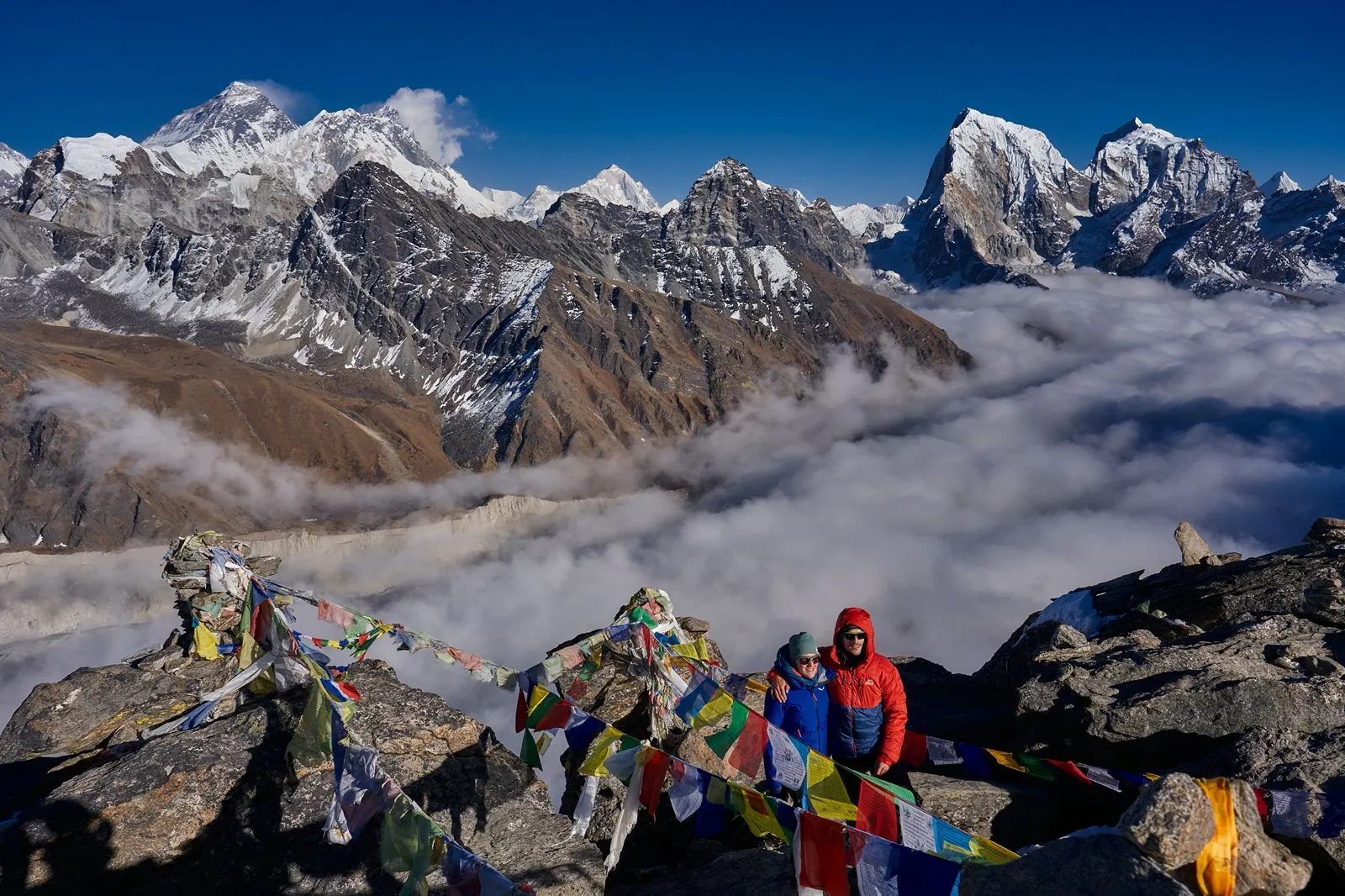
Introduction to the Everest Base Camp Trek
The Everest Base Camp trek is one of the most popular adventures in the world, offering a chance to experience the Himalayas up close. The trail is in Nepal’s Khumbu region and leads to the base of Mount Everest, the highest peak on Earth. The trek is for those who want both natural beauty and a physical challenge.
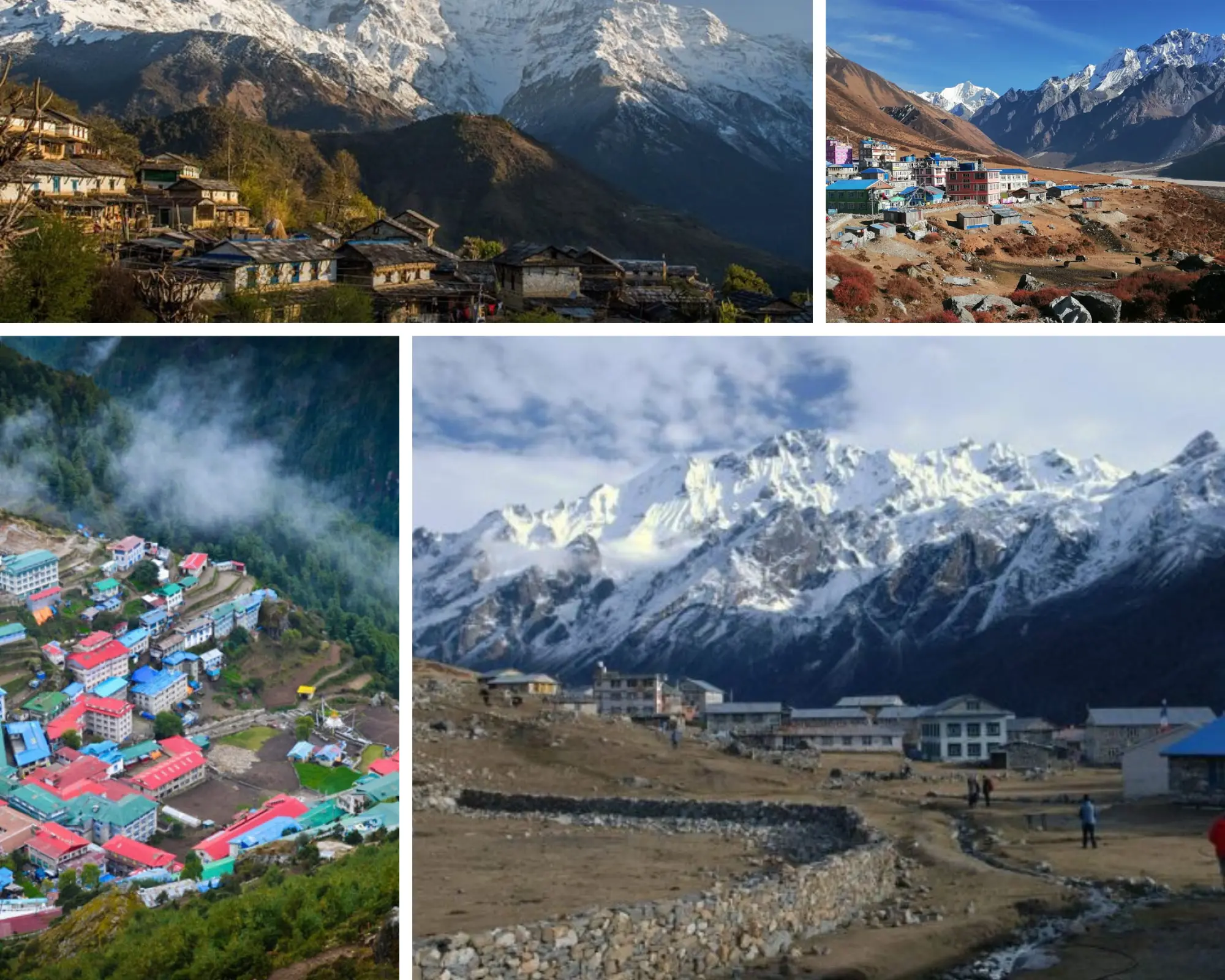
The journey starts with a flight to Lukla, a small mountain town at the trek’s beginning. The trail then goes through villages like Namche Bazaar and Tengboche. You will walk scenic paths with suspension bridges, rivers, forests, and traditional Sherpa settlements. Trekkers gain altitude each day.
Reaching Everest Base Camp at 5,364 meters is a major highlight of the trek. Although no technical climbing skills are required, the high altitude and long walking hours make proper preparation important. Acclimatization days are included to help your body adjust and reduce the risk of altitude sickness.
Overall, the trek is not just about reaching a destination but about the entire experience. From stunning mountain views to cultural encounters, it offers a memorable journey that combines adventure, nature, and personal achievement.
Understanding the Physical Demands of the Trek
The Everest Base Camp trek is often considered moderate to challenging, primarily due to its high altitude and long trekking days, rather than its technical difficulty. Understanding the physical demands of the trek is essential for proper preparation and a safe journey. Trekkers need to be ready for consistent walking, changing terrain, and reduced oxygen levels as they ascend higher into the Himalayas. While the trail is well-established, the combination of altitude, distance, and weather conditions can make it physically demanding, especially for beginners.
Daily trekking durations range from 5 to 7 hours, with some days extending longer, depending on the terrain and altitude gain.
The total Everest Base Camp trek distance is about 130 kilometers round trip, requiring sustained endurance over multiple days.
Altitude gain is gradual but significant because you will be reaching 5,364 meters, where oxygen levels are nearly 50% lower than sea level.
High altitude conditions can lead to fatigue, breathlessness, and increased risk of altitude sickness without proper acclimatization.
Trekking routes include steep ascents, long descents, rocky trails, and uneven paths that challenge leg strength and balance.
Weather in the Everest region can change rapidly, with cold temperatures, wind, and occasional snow adding difficulty.
Carrying a daypack with essentials like water, snacks, and gear increases your overall physical effort during the trek.
Continuous trekking over multiple days demands strong stamina, muscle recovery, and consistent energy levels.
Proper acclimatization days are crucial to adapt to altitude and maintain overall trekking performance.
How Fit Do You Need to Be for Everest Base Camp?
When preparing for the Everest Base Camp trek, you don’t need to be in good shape, but you do need a good level of overall fitness. The trek is achievable for most people who are reasonably active and committed to preparation. Since there is no technical climbing involved, the main requirement is the ability to walk for several hours a day over multiple days while handling gradual altitude gain. Strong cardiovascular endurance is especially important, as it helps your body cope with lower oxygen levels at higher elevations.
In addition to endurance, having good leg strength and core stability will make a big difference on steep ascents and descents. Trekkers should be comfortable walking 5 to 7 hours a day with a light backpack and managing uneven terrain. Mental fitness also plays a key role, as long trekking days and changing weather conditions can be challenging. With consistent training, most people can build the fitness level needed to successfully complete the Everest Base Camp trek.
.jpg)
When to Start Training for EBC
Knowing when to start training for the Everest Base Camp trek can make a big difference in how comfortable and successful your journey will be. Ideally, you should begin preparing at least 8 to 12 weeks before your trek. This gives your body enough time to gradually build endurance, strength, and stamina without risking injury or burnout. If you are starting from a lower fitness level, we suggest you allow 3 to 4 months of prior preparation.
In the early weeks, focus on building a solid fitness base with light cardio exercises such as walking, jogging, or cycling. As your fitness improves, you can increase intensity by adding longer hikes, stair climbing, and strength training. The goal is to slowly condition your body to handle long walking days and elevation gain, similar to what you will experience on the trek.
Consistency is more important than intensity when it comes to training for EBC. A structured weekly plan that includes cardio, strength, and rest days will help you progress safely. Starting early also gives you time to break in your trekking gear, test your fitness, and make adjustments. With proper timing and preparation, you will feel more confident and physically ready for the challenge ahead.
Building Cardiovascular Endurance for Trekking
Building strong cardiovascular endurance is one of the most important parts of preparing for the Everest Base Camp trek. Since you’ll be walking for several hours a day at increasing altitudes, your heart and lungs need to work efficiently to supply oxygen to your body. Good cardio fitness not only helps you maintain a steady pace but also reduces fatigue and improves recovery during multi-day trekking. By focusing on endurance training before your trek, you can handle long distances more comfortably and adapt better to the physical demands of high-altitude hiking.
Focus on low to moderate intensity cardio exercises such as brisk walking, jogging, cycling, or swimming to build a strong endurance base.
Gradually increase workout duration to 45–90 minutes per session to simulate long trekking days.
Include uphill training like stair climbing, hill walking, or treadmill incline workouts to prepare for elevation gain.
Practice long-distance hikes on weekends to improve stamina and replicate real trekking conditions.
Train at a steady pace (zone 2 cardio) to improve oxygen efficiency and endurance over time.
Add interval training once or twice a week to boost heart and lung capacity.
Stay consistent with at least 4 to 5 cardio sessions per week for the best results.
Monitor your breathing and heart rate to ensure progressive improvement without overtraining.
Combine cardio with proper hydration and nutrition to support overall performance and recovery.
Strength Training for Stability and Injury Prevention
Strength training plays a crucial role in preparing your body for the Everest Base Camp trek, especially when it comes to stability and injury prevention. While cardiovascular endurance helps you keep going, muscular strength ensures your body can handle uneven terrain, steep climbs, and long descents without strain. A well-balanced strength routine improves joint support, posture, and overall trekking efficiency. It also reduces the risk of common injuries such as knee pain, ankle sprains, and muscle fatigue. By building strength before your trek, you’ll feel more stable, confident, and capable on challenging mountain trails.
Focus on lower-body exercises like squats, lunges, and step-ups to build strength for uphill and downhill trekking.
Strengthen your core with planks, leg raises, and stability exercises to improve balance and posture on uneven trails.
Include glute-focused workouts to support hip stability and reduce strain on knees during long descents.
Train your calves with heel raises to prepare for steep climbs and continuous walking.
Add upper body exercises like push-ups and light weight training to help carry a backpack comfortably.
Incorporate single-leg exercises to improve balance and coordination on rocky and uneven terrain.
Practice functional training that mimics trekking movements, such as weighted step-ups or walking lunges.
Allow proper rest and recovery between strength sessions to prevent overuse injuries.
Aim for 2 to 3 strength training sessions per week alongside your cardio routine.
.jpg)
Practicing Hiking and Real Trek Simulation
Practicing hiking and simulating real trekking conditions is one of the most effective ways to prepare for the Everest Base Camp trek. While gym workouts build fitness, nothing replaces the experience of walking on actual trails. Training on similar terrain helps your body adapt to uneven paths, elevation changes, and long hours on your feet. It also gives you a chance to test your gear, pacing, and overall comfort before the actual trek. By including realistic hiking practice in your routine, you can build confidence and reduce surprises during the journey.
Go on regular outdoor hikes to replicate real trekking conditions instead of relying only on gym training.
Choose trails with elevation gain to prepare for uphill climbs and downhill descents.
Gradually increase hiking distance and duration to match 5–7 hours of trekking per day.
Practice carrying a loaded backpack to get used to the weight and improve endurance.
Train on uneven terrain such as rocky paths, dirt trails, and stairs to improve balance and stability.
Wear your actual trekking boots during hikes to break them in and avoid blisters during the trek.
Test your clothing layers and gear to ensure comfort in different weather conditions.
Plan back-to-back hiking days to simulate consecutive trekking days and build stamina.
Focus on maintaining a steady, manageable pace rather than speed to improve long-distance endurance.
Use trekking poles during practice hikes to improve balance and reduce strain on knees.
Training for Altitude and Mental Preparation
Training for altitude and mental preparation is a key part of getting ready for the Everest Base Camp trek, as the challenge is not just physical but also psychological. As you ascend to higher elevations, the oxygen level decreases significantly, which can lead to fatigue, slower movement, and symptoms of altitude sickness if your body is not properly acclimatized. While you cannot fully replicate high-altitude conditions at home, you can prepare by improving your cardiovascular fitness and practicing controlled breathing techniques. Gradual ascent during the trek, along with proper acclimatization days, is essential to help your body adjust safely.
Equally important is mental preparation, as trekking for multiple days in remote and physically demanding conditions requires resilience and a positive mindset. Long walking hours, basic accommodations, and unpredictable weather can test your patience and motivation. Building mental strength through consistent training, setting realistic expectations, and staying disciplined can make a big difference. Techniques such as mindfulness, pacing yourself, and staying focused on small daily goals can help you stay motivated throughout the journey. With the right balance of physical readiness and mental resilience, you will be better equipped to handle the challenges of high-altitude trekking.
Final Preparation Tips Before the Trek
As your Everest Base Camp trek approaches, the final phase of preparation becomes all about optimizing rather than pushing your limits. This is the time to reduce training intensity, allowing your body to recover and store energy for the journey ahead. Proper rest, quality sleep, and maintaining a balanced routine will help you feel physically fresh and mentally ready.
It is also important to double-check your trekking gear and essentials. Make sure everything is tested, from your boots to your backpack, so there are no surprises on the trail. Packing smart and keeping your load light will make a noticeable difference during long trekking days. This is also a good time to review your itinerary and understand the route.
Nutrition and hydration should be a top priority in the days leading up to the trek. Eating well-balanced meals and staying hydrated will support your energy levels and overall performance. Avoid overexertion or last-minute intense workouts, as they can lead to fatigue or injury before your trek even begins.
Finally, focus on your mindset and approach the journey with realistic expectations. The Everest Base Camp trek is as much a mental challenge as it is physical. Staying positive, flexible, and patient will help you handle any challenges along the way and fully enjoy this once-in-a-lifetime experience.
.jpg)

.webp)
showing comments