
Introduction to Everest Base Camp Trek
The Everest Base Camp trek remains accessible for first-time trekkers seeking adventure, culture, and stunning scenery. Situated in Nepal’s Khumbu region, this route invites newcomers to traverl remote mountain terrain and immerse themselves in Sherpa traditions.
Rather than climbing Mount Everest, trekkers take an accessible trail to its base, making the journey suitable for those without mountaineering experience. The route takes about two weeks and features steady altitude gain to help novices acclimate. Stops like Namche Bazaar and Tengboche Monastery add cultural depth and scenic variety.
By 2026, the trek is more structured and traveler-oriented, with upgraded lodges, better communication, and a growing focus on sustainability. Still, the high-altitude setting demands thorough planning, so preparation is vital.
What truly defines this trek is the experience, not simply the arrival. From traversing suspension bridges festooned with prayer flags to glimpsing breathtaking Himalayan vistas, each day delivers something distinct. For beginners, it provides a vivid introduction to trekking, leaving an impression that lingers far past the mountains.
Why choose the Everest Base Camp Trek Adventure
Choosing the Everest Base Camp trek goes beyond reaching a landmark; it immerses you in one of the world’s most remarkable mountain settings. First-time trekkers value its accessibility and the thrill of high-altitude exploration. Unlike technical climbs, the trail allows anyone with basic fitness to experience the Himalayas.
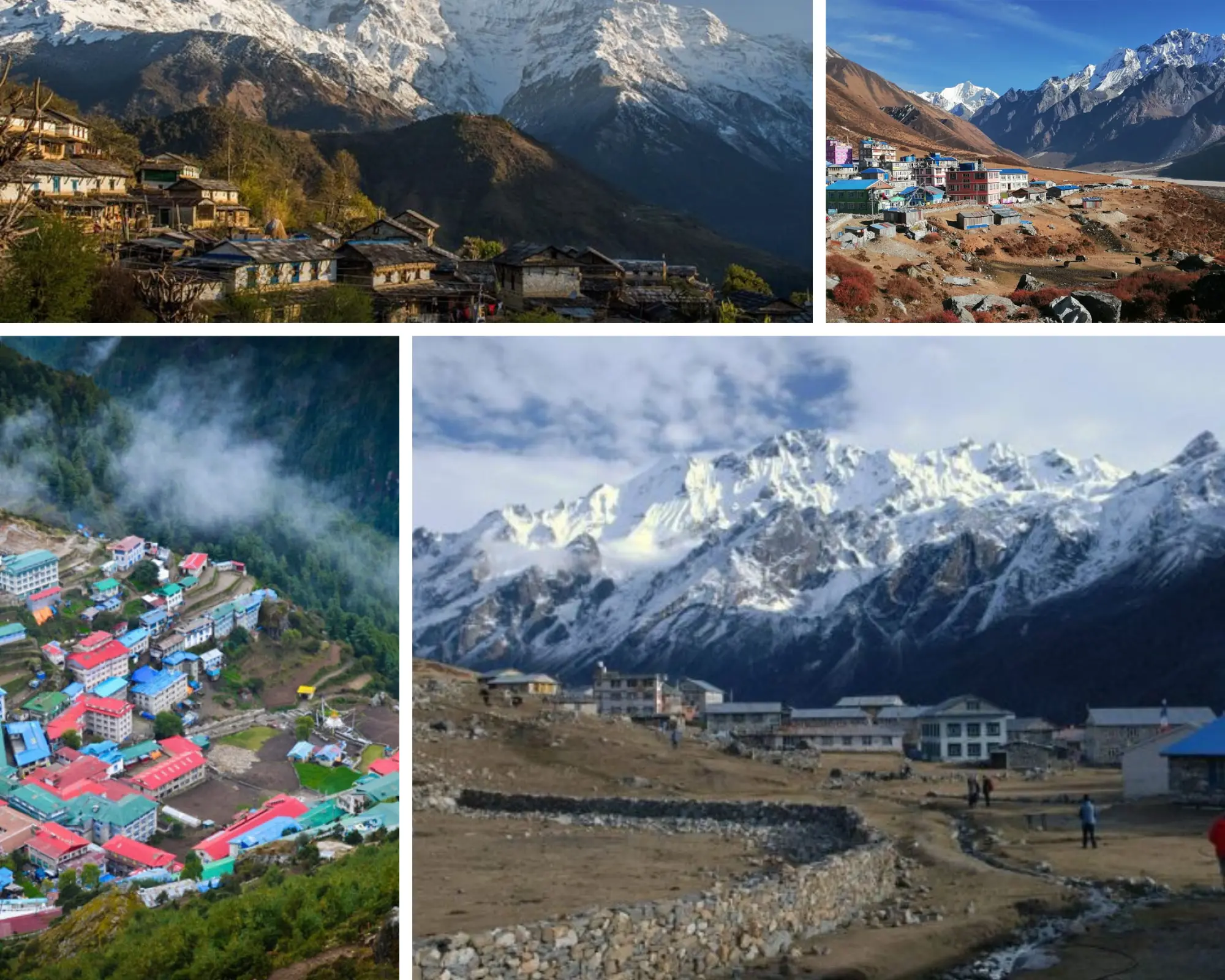
The trek also provides a cultural journey through the Khumbu region, with opportunities to encounter Sherpa villages, Buddhist monasteries, and local traditions. Places like Namche Bazaar and Tengboche Monastery give insights into community life and spiritual practices, enhancing the sense of adventure and discovery.
This trek also boasts unrivaled natural grandeur. Glacier-fed rivers, rhododendron woods, and sweeping vistas of peaks such as Mount Everest greet you daily. The journey’s ever-shifting landscapes and Dynamic Mountain light make each step memorable.
By 2026, the trek is safer and more eco-conscious, ideal for beginners seeking a rewarding challenge. Everest Base Camp offers a transformative experience that blends nature, culture, and personal accomplishment.
Everest Base Camp Trek Route Overview and Itinerary
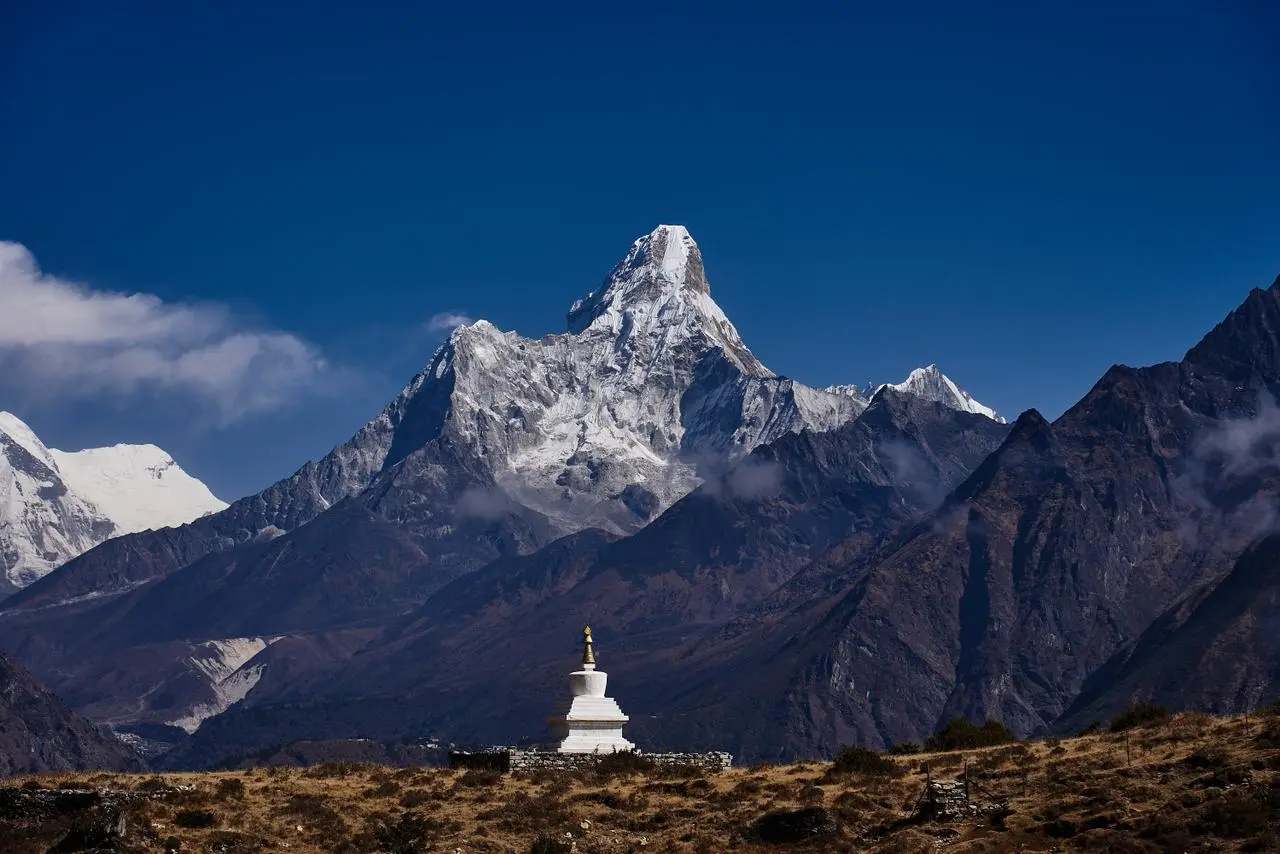
Our 14-day Everest Base Camp trek package is an adventure that combines stunning Himalayan views and Sherpa culture. The trek offers an incredible mix of natural beauty and cultural experiences. Trekkers pass through lush pine and rhododendron forests, cross suspension bridges over glacial rivers, and walk through traditional Sherpa villages like Namche Bazaar. Along the way, you’ll see iconic monasteries such as Tengboche, with prayer flags fluttering against the backdrop of towering peaks. The trail offers stunning views of mountains such as Ama Dablam and Mount Everest, glaciers, and deep valleys. Highlights include reaching Everest Base Camp itself and climbing Kala Patthar for sunrise panoramas. Each step combines adventure, culture, and breathtaking Himalayan landscapes, making it a truly unforgettable journey for first-time trekkers. Below is the itinerary outline for the Everest Base Camp trek of 14 days:
Day 1: Arrival in Kathmandu
Day 2: Flight to Lukla and trek to Phakding
Day 3: Phakding to Namche Bazaar
Day 4: Acclimatization Day in Namche Bazaar
Day 5: Namche Bazaar to Tengboche
Day 6: Tengboche to Dingboche
Day 7: Acclimatization Day in Dingboche
Day 8: Dingboche to Lobuche
Day 9: Lobuche to Gorak Shep (5,170m/16,961ft) to Everest Base Camp
Day 10: Gorak Shep to Kala Patthar and descend to Pheriche
Day 11: Pheriche to Namche Bazaar
Day 12: Namche Bazaar to Lukla
Day 13: Lukla to Kathmandu
Day 14: Departure from Kathmandu
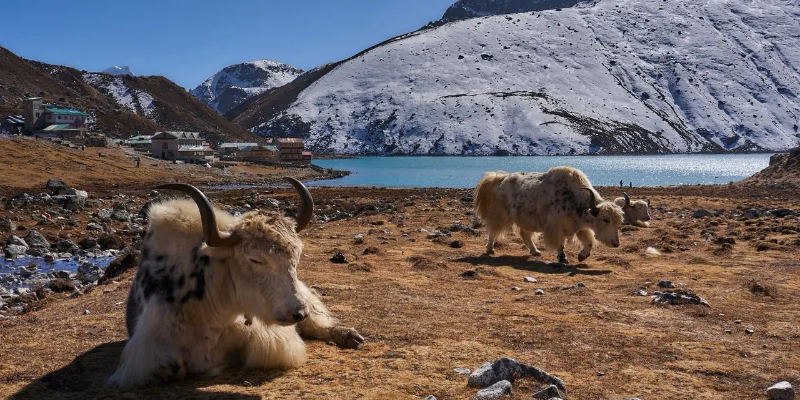
Note: Beyond the standard 14-day Everest Base Camp trek, extended and alternative options are available, such as the Everest Three Pass Trek (20 days), Everest Base Camp Trek with Helicopter Return (10 days), and Everest with Gokyo Lake Trek (17 days), catering to various adventure levels and time constraints.
Best Time to Do the Everest Base Camp Trek in 2026
The Everest Base Camp trek is a high-altitude adventure, and timing is crucial to making the experience safe, comfortable, and visually spectacular. In 2026, planning your trek around the right season ensures clear mountain views, stable weather, and manageable trekking conditions. While the trail is open year-round, certain months offer the ideal combination of moderate temperatures, minimal rainfall, and breathtaking scenery. Choosing the right time also enhances cultural experiences, as festivals and local activities often align with trekking seasons. Proper planning helps first-time trekkers acclimate more effectively and enjoy the iconic Himalayan landscapes without encountering harsh weather or overcrowded trails. Below are the most favorable weather seasons for the trek:
Spring (March to May): Spring is ideal for first-time trekkers. Temperatures range from 5°C to 15°C (41°F to 59°F), dropping to -5°C to 5°C (23°F to 41°F) at higher camps. Melting winter snow improves trail safety and accessibility. Clear skies and blooming rhododendrons provide stunning scenery, while local festivals enrich your experience. Pleasant temperatures and longer daylight hours make the season optimal for both hiking and photography.
Autumn (September to November): Peak trekking season, autumn brings stable weather and top visibility. Day temperatures sit at 10°C to 18°C (50°F to 64°F); higher camps drop to -10°C to -5°C (14°F to 23°F). Post-monsoon clarity yields sweeping views of Everest and Lhotse. Dry trails and open skies attract novices seeking comfort and memorable vistas.
Everest Base Camp Trek Difficulty Level and Fitness Requirements
The Everest Base Camp trek follows a well-paced itinerary, starting from Kathmandu and gradually ascending through. In terms of difficulty, this trek is considered moderately challenging, as it doesn’t involve technical climbing but does involve a steady gain in altitude. Especially from Day 3 onward, it is physically demanding, with long walking hours, thin air above 3,000 meters, and back-to-back trekking days that increase fatigue. Key sections like the ascent to Namche Bazaar and the final push to Base Camp require stamina and patience. With proper acclimatization days built into the itinerary, most first-time trekkers can complete it successfully.
Build cardiovascular endurance with activities like hiking, jogging, cycling, or swimming 4–5 times per week.
Train for long walking hours by doing practice hikes with a light backpack.
Focus on leg strength with exercises such as squats, lunges, and step-ups.
Improve core stability to maintain balance on uneven and rocky terrain.
Prepare for altitude by maintaining a slow pace and allowing proper acclimatization.
Practice breathing control techniques to handle reduced oxygen levels.
Stay consistent with training for at least 6–8 weeks before the trek.
Develop mental strength to handle fatigue, basic accommodations, and changing weather conditions.
Permits Breakdown
Planning your Everest Base Camp trek in 2026 involves more than just packing and fitness; it also requires understanding the necessary permits. Trekking in the Sagarmatha region is regulated to protect the environment and local communities, making permits mandatory for all visitors. The two primary permits are the Sagarmatha National Park Entry Permit and the Khumbu Pasang Lhamu Rural Municipality Permit. Recent regulations have removed the need for a TIMS card, simplifying the process.
Permits
You need two main permits: Sagarmatha National Park Entry Permit (around NPR 3,000 per person) and Khumbu Pasang Lhamu Rural Municipality Permit (around NPR 2,000 per person).
No TIMS card is required for this trek as of recent regulations.
Note: Permits can be obtained in Kathmandu or directly at Monjo and Lukla entry points. We will handle all permit arrangements for you. Always carry physical copies of your permits, as they are checked multiple times along the trail.
Accommodation, Food, and Daily Life on the Trail
Life on the Everest Base Camp trek is simple, structured, and deeply connected to the mountains. As you move along the trail, you’ll stay in traditional teahouses, eat freshly prepared local meals, and adapt to a routine shaped by altitude and weather. While the facilities are basic compared to city standards, they provide everything needed for a comfortable and memorable journey. Understanding what to expect in terms of accommodation, food, and daily life helps you mentally and physically prepare, making your trekking experience smoother and more enjoyable from start to finish.
Accommodation along the trail is primarily in teahouses, which are simple mountain lodges run by local families. Rooms are usually twin-share with basic beds and blankets, and shared bathrooms. At lower elevations, you may find attached bathrooms and hot showers, but as you gain altitude, facilities become more basic, and heating is limited to common dining areas. Electricity, Wi-Fi, and charging are available in many places but may incur extra charges at higher elevations. Carrying a warm sleeping bag is highly recommended for a comfortable night on colder nights.
Food on the trek is filling, nutritious, and designed to keep your energy levels up. Teahouses offer a mix of local and international dishes, with dal bhat the most popular choice for its unlimited servings and balanced nutrition. Other options include noodles, soups, rice dishes, pasta, eggs, potatoes, and simple bakery items. As you ascend, food prices increase because supplies are transported by porters or animals. Staying hydrated is essential, and hot drinks like tea, coffee, and lemon water are widely available. We also advise people to avoid meat at higher altitudes for safety reasons.
Daily Life on the Trail follows a steady and predictable routine focused on trekking and rest. Mornings begin early with breakfast, followed by several hours of hiking through varied terrain with short breaks along the way. Lunch is usually taken at a teahouse mid-route before continuing to the next stop. Evenings are spent relaxing in the dining area, having dinner, and preparing for the next day. Connectivity is limited, with weak or no internet and mobile signals at higher elevations. Basic hygiene becomes part of the routine, and most trekkers adjust to early sleep schedules due to physical fatigue and cold conditions.
.jpg)
Essential Packing List for First-Time Trekkers
Packing smart is one of the most important parts of preparing for the Everest Base Camp trek. Since you’ll be trekking at varying altitudes and in unpredictable weather, having the right gear can make a huge difference in your comfort and safety. The key is to pack light but efficiently, focusing on layered clothing and essential items that will support you throughout the journey. First-time trekkers often tend to overpack, but a well-planned packing list ensures you carry only what you truly need while staying prepared for the challenges of the trail. The following items are essential for maintaining favorable conditions during your trek:
Head
Warm hat or beanie (fleece or wool)
Sun hat or cap for high-altitude sun protection
Buff or neck gaiter for warmth and dust protection
Sunglasses with UV protection (category 4 recommended for high altitude)
Headlamp with extra batteries
Upper Body
Moisture-wicking base layers (long-sleeve thermal tops)
Lightweight trekking shirts (quick-dry, breathable)
Fleece jacket or mid-layer for insulation
A down jacket or a heavy insulated jacket for cold nights
Waterproof and windproof shell jacket (Gore-Tex or similar)
Lightweight insulated vest (optional for layering flexibility)
Lower Body
Trekking pants (quick-dry, breathable)
Thermal leggings for layering at higher altitudes
Waterproof and windproof pants for snow or rain
Shorts (optional for lower-altitude days)
Comfortable undergarment (moisture-wicking recommended)
Footwear
Sturdy trekking boots (waterproof with ankle support)
Camp shoes or sandals for evenings
Thermal socks (multiple pairs)
Lightweight trekking socks (quick-dry)
Gaiters (to prevent snow or dust from entering boots)
Essentials
Backpack (40–50 liters recommended)
Daypack for short hikes
Sleeping bag rated for -10°C to -15°C (if not provided by the teahouse)
Trekking poles (adjustable, lightweight)
Water bottles or hydration bladder (2–3 liters capacity)
Water purification tablets or a filter
Personal identification, permits, and trekking insurance
Accessories
Sunscreen (SPF 50+) and lip balm with SPF
Personal first aid kit (bandages, blister pads, antiseptic, pain relievers)
Trekking towel (lightweight, quick-dry)
Toiletries (toothbrush, toothpaste, biodegradable soap, hand sanitizer)
Moisturizer and hand cream for dry conditions
A camera or smartphone with extra memory cards and a power bank
Optional but Recommended
Notebook and pen (optional)
Lightweight down gloves and liner gloves
Earplugs (for noisy teahouses)
Travel pillow
Snacks like energy bars, nuts, and chocolate
Extra zip-lock bags for waterproof storage
Altitude Sickness, Travel Insurance, and Safety Tips
Trekking to Everest Base Camp is a dream for many, but the high altitude and challenging terrain demand careful preparation. One of the most important concerns is altitude sickness, which occurs when your body struggles to adjust to lower oxygen levels. Symptoms can include headaches, nausea, dizziness, and fatigue. Most cases are mild and manageable with proper acclimatization, hydration, and a gradual ascent, but severe altitude sickness requires immediate descent and medical attention. Travel insurance is another essential aspect of planning your trek. A comprehensive policy should cover high-altitude trekking, emergency evacuation, and medical emergencies. Having insurance ensures you can receive timely care and protection against unexpected events, giving you peace of mind as you explore the Himalayas. Safety during the trek goes beyond health and insurance. Simple precautions can prevent accidents and ensure a smooth journey:
Ascend gradually and schedule rest days to allow your body to acclimatize properly, reducing the risk of altitude sickness.
Stay well-hydrated by drinking at least 3–4 liters of water daily and avoid alcohol and excessive caffeine, which can worsen dehydration.
Dress in layers and carry waterproof, windproof clothing, as the weather can change suddenly in high-altitude regions.
Use sturdy, well-fitting trekking boots and gaiters to prevent slips, blisters, and injuries on uneven terrain.
Trek in a group or with an experienced guide who knows the route and local conditions, and always inform someone about your daily plans.
Carry a comprehensive first aid kit, including medications for altitude sickness, pain relief, bandages, and blister care, and know how to use them.
Be cautious near glaciers, rivers, and steep sections; use trekking poles for stability and avoid shortcuts that are too risky.
Monitor your health continuously; if you experience severe headaches, nausea, or dizziness, consult with our guide immediately and descend to seek medical attention if necessary.
.jpg)
Expert Tips for First-Time Everest Base Camp Trekkers
Trekking to Everest Base Camp is one of the most rewarding adventures a traveler can undertake. For first-time trekkers, preparation is everything, so choosing the right gear, packing appropriately for changing weather, and planning your itinerary to allow proper acclimatization can make a significant difference in both safety and comfort. Understanding the risks of high-altitude trekking and being mindful of your body’s signals can help prevent complications such as altitude sickness and fatigue.
Travel insurance and emergency planning are essential components for a safe trek. Policies covering high-altitude trekking, medical emergencies, and evacuation provide peace of mind, allowing you to focus on the journey itself. Trekking with experienced guides or in groups not only enhances safety but also offers valuable insights into local culture, terrain, and daily trekking strategies.
Beyond logistics, the Everest Base Camp trek is a journey of discovery and personal achievement. Take time to appreciate the breathtaking Himalayan landscapes, connect with fellow trekkers, and embrace the Sherpa culture along the way. Every step, from Lukla to Everest Base Camp, is an experience to savor. With careful preparation, awareness, and a flexible mindset, your 14-day Everest Base Camp trek in 2026 will be a safe, unforgettable adventure that leaves memories to cherish for a lifetime.

.webp)
showing comments