
Duration
17 Days
Activity
Trekking
best season
March-May/Sept-Dec
Accommodation
Teahouse/Lodge
Destination
Everest Region
New Offers !!! 2026 New Booking open With 10% Discount

 iconic summary
from2Reviews
Guides And Language
facility
Value For Money
Service
Location
Overviews
Nestled in the heart of the Himalayas, the Everest region is a land of towering peaks, breathtaking landscapes, and challenging trails. It is a place where trekkers and mountaineers from all over the world come to test their limits and experience the thrill of adventure with the best trekking agency in nepal.
This unparalleled journey combines the iconic Everest Base Camp trek with the serene beauty of Gokyo Lakes, offering a unique and unforgettable experience.
The adventure begins in the vibrant town of Lukla, where trekkers are immediately greeted by stunning views of the surrounding mountains. The trail gradually ascends through lush rhododendron forests and quaint Sherpa villages, providing a glimpse into the local culture and way of life.
As trekkers advance, the path opens up to reveal the awe-inspiring grandeur of the Everest massif. Peaks like Nuptse, Lhotse, and Ama Dablam dominate the skyline, and it is easy to feel the sense of awe and wonder that these mountains have inspired in people for centuries.
Reaching Everest Base Camp is a monumental achievement in itself. Standing at the foot of the world's highest mountain is a truly humbling experience, and it is hard not to be inspired by the determination and grit of the climbers who have made this journey before you.
From Everest Base Camp, the trail continues towards the picturesque Gokyo Valley. Here, a series of glacial lakes come into view, reflecting the surrounding peaks in their crystal-clear waters. The tranquil beauty of these lakes is a welcome contrast to the ruggedness of the journey so far, and it is easy to spend hours simply gazing out at the stunning scenery.
The Gokyo Ri viewpoint offers a staggering panoramic view that includes not only Everest but also the neighboring giants of Cho Oyu and Makalu. The challenging ascent to this vantage point is rewarded with an unforgettable sunrise that bathes the entire landscape in a warm, golden hue.
Descending back to Gokyo, trekkers have the opportunity to explore the region further, with hikes to other nearby lakes or perhaps even an attempt at the less-trodden Renjo La pass.
As the journey culminates, trekkers carry with them not only the memories of awe-inspiring vistas and physical achievements, but also a profound respect for the natural world and the resilient spirit of the local Sherpa community. The Everest with Gokyo Lake adventure is a symphony of nature's beauty, human determination, and the indomitable allure of the world's highest peaks, leaving an indelible mark on all who embark on this remarkable odyssey.
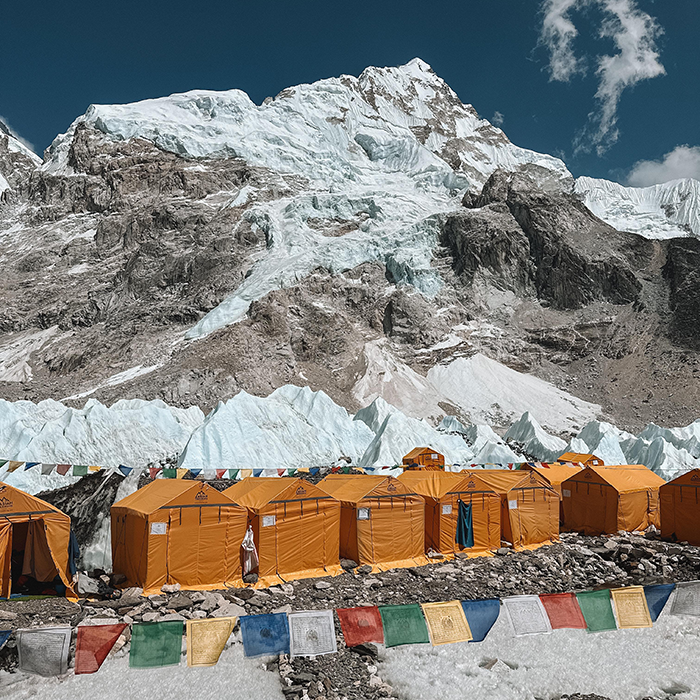
Everest Base Camp: Standing at an elevation of 5,364 meters (17,598 feet), Everest Base Camp serves as the launch point for mountaineers attempting to summit the world's highest peak. The camp itself is a hub of activity, with colorful tents, bustling climbers, and a palpable sense of achievement. The close-up view of Everest and its neighboring peaks from this vantage point is nothing short of awe-inspiring.
Gokyo Lakes: A cluster of turquoise glacial lakes nestled within the Gokyo Valley presents an idyllic scene that contrasts with the rugged terrain of the Himalayas. The reflection of the surrounding peaks in the clear waters creates a mesmerizing visual spectacle. The serenity and tranquility of these lakes provide a perfect respite for trekkers and a unique photographic opportunity.
Gokyo Ri Viewpoint: At an altitude of 5,357 meters (17,575 feet), Gokyo Ri is a vantage point that offers a sweeping panorama of the entire Everest region. The early morning hike to this viewpoint rewards trekkers with a breathtaking sunrise over the Himalayas. The view encompasses not only Everest but also neighboring giants like Cho Oyu and Makalu, making it a cherished memory for all who reach its summit.
Sherpa Culture and Villages: The Everest region is home to the Sherpa people, renowned for their resilience and mountaineering prowess. Along the trail, trekkers have the chance to immerse themselves in the Sherpa culture, visiting traditional villages and monasteries. The warm hospitality and the opportunity to learn about the local way of life add a rich cultural dimension to the trek.
Chola Pass (Optional): For those seeking an extra adventure, the Chola pass offers an alternative route with spectacular views. Crossing at an altitude of 5,420 meters (17,782 feet), this pass provides a different perspective of the Everest region and rewards trekkers with a unique blend of wilderness and panoramic vistas.
Khumbu Glacier: Enroute to Everest Base Camp, trekkers navigate the legendary Khumbu Glacier. This immense river of ice showcases the raw power of nature and the ever-changing dynamics of glacial landscapes. Crossing the glacier's undulating surface while surrounded by towering peaks is a humbling and adventurous experience.
Tengboche Monastery: This ancient and spiritually significant monastery is a cultural gem along the trail. Set against the backdrop of Everest and Ama Dablam, Tengboche Monastery offers a spiritual sanctuary for trekkers. The melodious sounds of Buddhist chants and the intricate murals within the monastery's walls create an atmosphere of reverence and peace.
Wildlife Encounters: The Everest region is home to a variety of wildlife, including the elusive snow leopard, Himalayan tahr, and various species of pheasants. While sightings are rare, the thrill of spotting these creatures in their natural habitat adds a touch of excitement to the trek. The region's diverse flora also paints the landscape with colorful blooms during certain seasons.
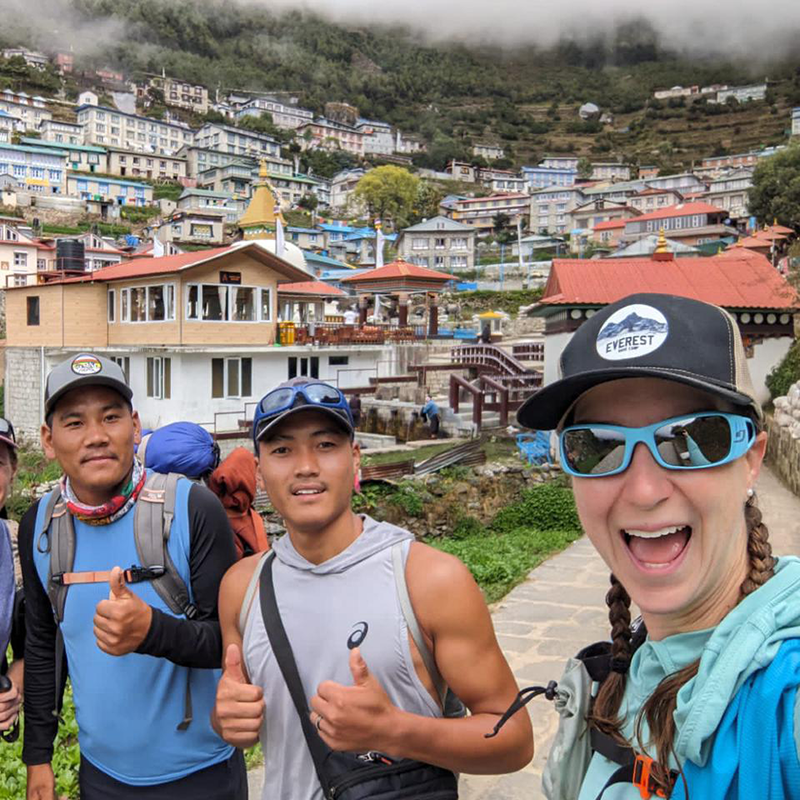
Namche Bazaar: Often referred to as the gateway to Everest, Namche Bazaar is a bustling trading hub and a melting pot of cultures. The lively market, lined with shops selling local handicrafts and trekking gear, offers a vibrant atmosphere. It's also a great place for acclimatization, cultural exploration, and connecting with fellow trekkers.
Astronomical Views: The clear and high-altitude skies of the Everest region create optimal conditions for stargazing. Nights at these altitudes offer an unparalleled view of the constellations and celestial bodies. Marveling at the Milky Way and the glittering stars against the backdrop of the towering peaks is a surreal and unforgettable experience.
Spiritual Reflection at Gokyo Lake: The peaceful ambiance around Gokyo's lakes provides an opportunity for personal reflection and meditation. The tranquil setting, combined with the surrounding grandeur, makes it an ideal place to find solace and connect with nature on a deeper level.
Local Cuisine: Sampling the traditional Sherpa cuisine is a delightful part of the journey. Trekkers can savor dishes like yak stew, momos (dumplings), and tsampa (roasted barley flour). Sharing a meal with fellow trekkers and locals alike fosters a sense of camaraderie and cultural exchange.
Kala Patthar: While not a true sub-peak, Kala Patthar is a popular viewpoint located near Everest Base Camp. Rising to an altitude of 5,545 meters (18,192 feet), Kala Patthar offers one of the most iconic panoramic views of Mount Everest. The sunrise from this vantage point casts a warm glow on Everest's summit and surrounding peaks, creating a scene that's etched into the memories of all who witness it.
Chukkung Ri: As an optional extension to Everest with Gokyo Lake trek, Chukkung Ri (or Chhukung Ri) is a sub-peak that stands at an elevation of around 5,550 meters (18,208 feet). The hike up to Chukung Ri offers incredible views of Ama Dablam and Island Peak, among other peaks. This sub-peak is an excellent choice for trekkers seeking to explore further and gain more altitude.
Gokyo Ri (Another Perspective): In addition to the main Gokyo Ri viewpoint, there's another lesser-known sub-peak adjacent to Gokyo Ri that offers a different perspective. This sub-peak provides a unique angle for observing the Gokyo Lakes and the surrounding landscape. The slightly different viewpoint adds variety to the trek and allows trekkers to capture distinct photographs.
Ngozumpa Ri: This sub-peak is situated near Gokyo Lake and provides an alternative viewpoint with panoramic vistas of the Ngozumpa Glacier and the surrounding peaks. It's a great option for trekkers who wish to explore the area around Gokyo Lakes more extensively and appreciate the glacier's immense scale.
Imja Tse (Island Peak): While not a sub-peak in the traditional sense, Island Peak is a highly sought-after trekking peak located in the Everest region. Climbers can ascend Island Peak, which stands at 6,189 meters (20,305 feet), to gain a taste of mountaineering and enjoy breathtaking views of the surrounding peaks.
The trek route that encompasses both Everest Base Camp and Gokyo Lake is a spectacular journey through the Everest region of Nepal. Here's an overview of the trek route's key destinations:
Lukla (2,860 meters / 9,383 feet): The adventure begins with a scenic flight from Kathmandu to Lukla, a small mountain town that serves as the gateway to the Everest region. Trekkers land at Tenzing-Hillary Airport, one of the most thrilling airports in the world, and start their trek from here.
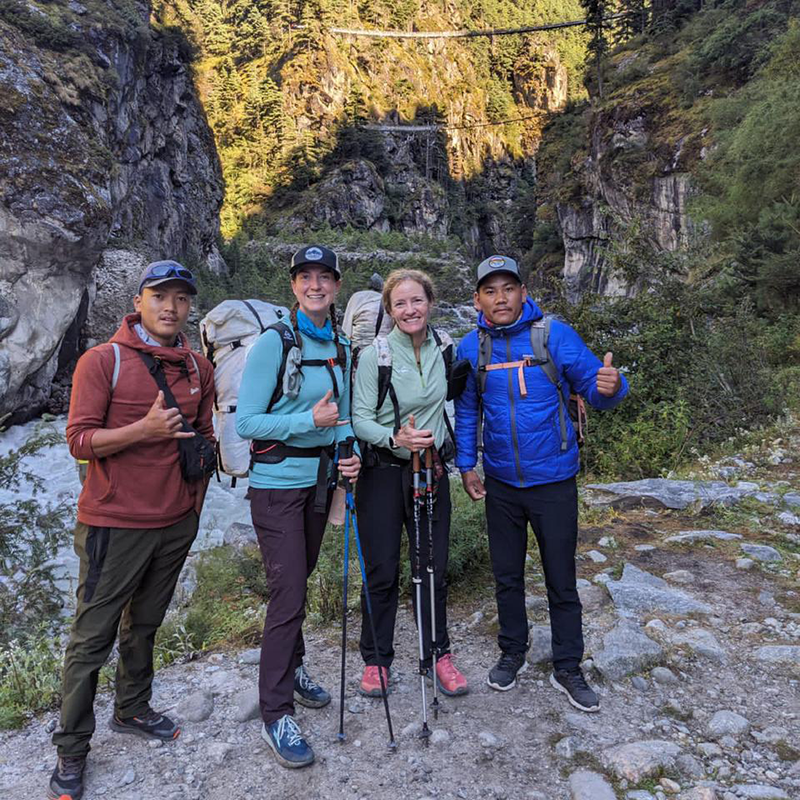
Phakding (2,610 meters / 8,562 feet): The first day's trek takes you from Lukla to Phakding, passing through picturesque villages, suspension bridges, and lush landscapes along the Dudh Kosi river.
Namche Bazaar (3,440 meters / 11,286 feet): The trail ascends to Namche Bazaar, the vibrant trading hub and acclimatization point. Trekkers spend an extra day here to adjust to the altitude and explore the town's market and cultural attractions
Tengboche (3,867 meters / 12,687 feet): Trekking further, you reach Tengboche, home to the famous Tengboche Monastery. The monastery offers stunning views of Everest and Ama Dablam and serves as a spiritual and cultural highlight of the journey.
Dingboche (4,410 meters / 14,469 feet): The trail continues to Dingboche, a beautiful village surrounded by fields and stone walls to protect crops from the harsh mountain weather. This is another acclimatization stop before ascending higher.
Lobuche (4,910 meters / 16,108 feet): The trail leads to Lobuche, a stopover before reaching Everest Base Camp. As you trek, you'll notice the landscape becoming more rugged and barren.
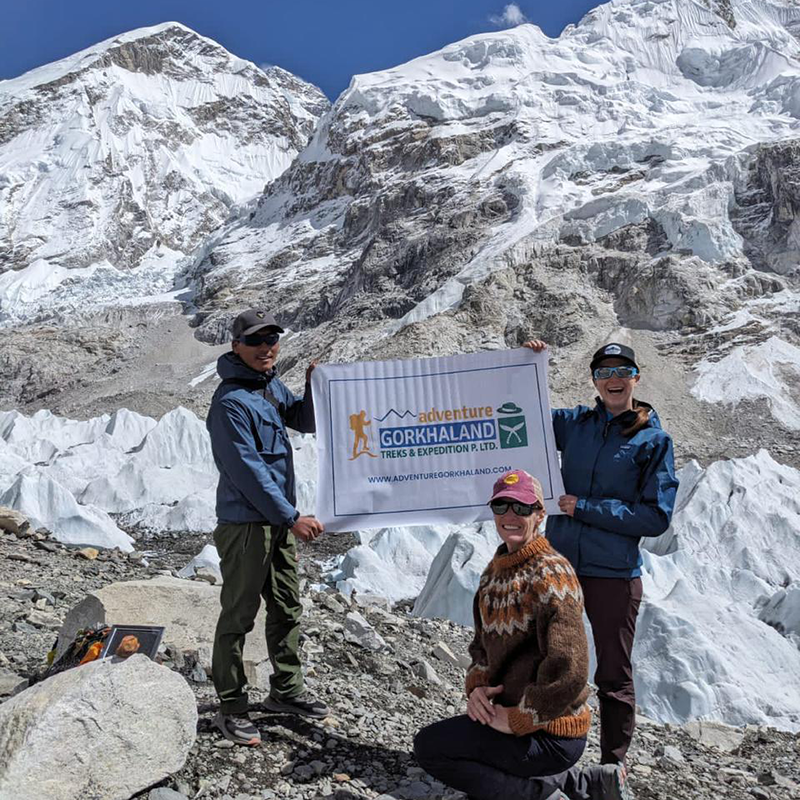
Everest Base Camp (5,364 meters / 17,598 feet): The culmination of the Everest portion of the trek, Everest Base Camp offers trekkers a close-up view of the world's highest peak, along with the bustling activity of climbers preparing for their ascent.
Gorak Shep (5,164 meters / 16,942 feet): A short hike from Everest Base Camp brings you to Gorak Shep, the last settlement before the ascent to Kala Patthar and the return journey to lower elevations.
Kala Patthar (5,545 meters / 18,192 feet): An optional hike from Gorak Shep, Kala Patthar provides unparalleled panoramic views of Everest and surrounding peaks. This is a highlight for sunrise and photography enthusiasts.
Dzongla (4,830 meters / 15,846 feet): As you retrace your steps back towards Gokyo, you'll pass through Dzongla, offering a different perspective of the Everest region.
Thangnak (4,700 meters / 15,419 feet): On the way to Gokyo, you'll reach Thangnak, a quiet spot nestled amidst the rugged landscape, providing a glimpse into the remote beauty of the region.
Gokyo (4,750 meters / 15,583 feet): The tranquil Gokyo Lakes and Gokyo village await, offering a serene setting for exploration and relaxation.
Gokyo Ri (5,357 meters / 17,575 feet): Trekkers ascend Gokyo Ri to witness a breathtaking sunrise and panoramic views of Everest, Cho Oyu, and more.
Renjo La Pass (Optional, 5,360 meters / 17,585 feet): For those seeking an additional challenge and an alternative route, the Renjo La Pass provides a unique perspective on the Himalayas.
The Everest with Gokyo Lake trek route encompasses a rich variety of landscapes, cultures, and altitudes, making it one of the most sought-after adventure journeys in the world.
Here are some trek facts for the Everest with Gokyo Lake trek:
Starting point: The trek starts in the town of Lukla, Nepal.
Highest point: The highest point on the trek is Gokyo Ri, which is at an altitude of 5,357 meters (17,575 feet).
Acclimatization: It is important to take acclimatization days on this trek, as the altitude can be high. Most itineraries will include a few days at Pheriche, which is at an altitude of 4,300 meters (14,100 feet).
Physical difficulty: The trek is moderately difficult, with some challenging days. However, it is not as difficult as the Everest Base Camp trek itself.
Best time to go: The best time to go on Everest with the Gokyo Lake trek is during the spring (March-May) or autumn (September-November).
Cost: The cost of the trek will vary depending on the length of the itinerary, the level of service you choose, and the time of year you go. However, you can expect to pay around $2,000-$3,000 for the entire trek.
Here are some additional things to keep in mind when planning your Everest with Gokyo Lake trek:
Altitude sickness: Altitude sickness is a real risk on this trek, so it is important to be aware of the symptoms and to take precautions. Make sure to drink plenty of fluids, eat a healthy diet, and get plenty of rest. If you start to feel symptoms of altitude sickness, descend to a lower altitude immediately.
Weather: The weather in the Everest region can be unpredictable, so it is important to be prepared for anything. Pack layers of clothing so that you can adjust to the changing temperatures. It is also a good idea to bring rain gear, as it can rain or snow at any time of year.
Wildlife: There are a number of wild animals in the Everest region, including snow leopards, bears, and monkeys. It is important to be aware of your surroundings and to take precautions to avoid encounters with wildlife.
Permits: You will need to obtain a permit from the Nepal government in order to trek in the Everest region. You can apply for your permit through a trekking agency.
The history of Everest with the Gokyo Lake trek is a long and rich one. The first recorded ascent of Mount Everest was in 1953 by Edmund Hillary and Tenzing Norgay. However, the Gokyo Lakes region had been visited by trekkers and mountaineers for many years before that.
In the 1920s, a group of British mountaineers led by George Mallory made several attempts to climb Everest. They passed through the Gokyo Lakes region on their way to Base Camp, and they were reportedly impressed by the beauty of the lakes.
In the 1950s, the Gokyo Lakes region became a popular destination for trekkers who wanted to see Everest without having to climb it. The first commercial trekking company in Nepal was established in 1956, and they began offering treks to the Gokyo Lakes.
The Gokyo Lakes trek has become increasingly popular in recent years. In 2019, there were over 40,000 trekkers who visited the region. The trek is now considered to be one of the most popular trekking destinations in the world.
The history of Everest with the Gokyo Lake trek is a story of adventure, exploration, and discovery. It is a story of people who have been drawn to the beauty of the Himalayas for centuries. And it is a story that continues to unfold today, as more and more people experience the magic of this incredible place.
Here are some specific historical figures who have played a role in the development of the Everest with Gokyo Lake trek:
George Mallory: British mountaineer who made several attempts to climb Everest in the 1920s. He is considered to be one of the pioneers of mountaineering in the Himalayas.
Tenzing Norgay: Sherpa mountaineer who was the first person to summit Mount Everest, alongside Edmund Hillary in 1953. He was a highly respected guide and mountaineer, and he played a key role in the development of tourism in the Everest region.
Pasang Pemchok: Sherpa mountaineer who was the first person to summit Everest twice. He also made several important contributions to the development of Everest with the Gokyo Lake trek, including building bridges and trails in the region.
Ang Tharkay: Sherpa mountaineer who was a guide for several successful Everest expeditions in the 1960s and 1970s. He was also a pioneer in the development of trekking tourism in Nepal, and he helped to establish the Gokyo Lakes region as a popular trekking destination.
These are just a few of the many people who have played a role in the history of Everest with the Gokyo Lake trek. It is a story that is still being written, and it is sure to continue to inspire people for generations to come.
Trekking to Everest Base Camp and Gokyo Lakes offers an unparalleled adventure, blending breathtaking natural beauty with a sense of achievement. The journey takes you through diverse landscapes, from lush forests and picturesque villages to rugged terrains and glaciers. The stunning turquoise waters of Gokyo Lakes against the backdrop of snow-capped peaks create a scene straight out of a dream. The challenge of reaching higher altitudes is rewarded with awe-inspiring panoramas that include Everest itself. Along the way, you'll immerse yourself in the Sherpa culture, visiting monasteries and encountering warm hospitality. The trek allows you to forge connections with fellow adventurers, creating lasting memories as you conquer challenging trails together. The experience of embracing both the majesty of Everest and the tranquility of Gokyo Lakes is a remarkable fusion of nature's grandeur and personal accomplishment.
Trekking to Everest with Gokyo Lake offers a uniquely enriching experience, allowing trekkers to explore the Everest region from a different perspective. The trail not only leads you to the iconic Everest Base Camp but also takes you to the stunning Gokyo Lakes, a hidden gem nestled amidst the Himalayas. This journey provides a more diverse and comprehensive adventure, showcasing the contrasting beauty of both Everest's towering peaks and the tranquil serenity of Gokyo pristine lakes. The path to Gokyo Lakes also leads over the Cho La Pass, adding an extra layer of challenge and excitement to the trek. By embarking on this dual adventure, trekkers can savor the best of both worlds, witnessing the world's highest peak and immersing themselves in the tranquil ambiance of the glacial lakes, all in one incredible journey. As we claim we are the best trekking agency in nepal
Trekking to Everest Base Camp with a Gokyo Lake extension is an exhilarating adventure that offers breathtaking views and a diverse alpine experience. Begin your journey in Lukla, Nepal, and follow the classic Everest Base Camp trail through charming Sherpa villages, lush forests, and suspension bridges. After reaching Namche Bazaar, diverge towards the Gokyo Valley, where you'll encounter the stunning turquoise Gokyo Lakes nestled amidst towering peaks. Acclimatize along the way to adapt to the high altitude, and relish the awe-inspiring panoramas from Gokyo Ri. Continue to Everest Base Camp, witnessing the iconic Khumbu Icefall, and then return through the vibrant Tengboche Monastery. The trek amalgamates challenging terrains with cultural experiences, offering an unforgettable journey through the heart of the Himalayas.
How can we make this trek more effective?
Expert Guides: We provide experienced and knowledgeable local guides that can significantly enhance the trek. Guides can share insights about the region's culture, history, flora, and fauna, enriching trekkers' understanding of the surroundings. As we claim we are the best trekking agency in nepal
Customized Itineraries: We offer flexible itineraries that cater to trekkers' preferences, fitness levels, and time constraints can ensure a more tailored and effective experience. This includes options for acclimatization days, side trips, and variations in routes.
Proper Acclimatization: Our company incorporates acclimatization days into the itinerary, allowing trekkers to adapt to the altitude gradually. This helps prevent altitude-related issues and contributes to a more successful and enjoyable trek.
Quality Accommodations: We ensure comfortable and hygienic accommodations in teahouses along the route is crucial. Well-rested trekkers are better equipped to enjoy the journey and achieve their trekking goals.
Healthy Meals: We provide balanced and nutritious meals that cater to different dietary preferences and restrictions that can keep trekkers energized throughout the journey. Hygienic food preparation practices are essential to avoid any health issues.
Safety Measures: We Prioritize safety by hiring trained and certified guides, as well as having a well-stocked first aid kit and communication devices, by ensuring that trekkers are well taken care of during any unexpected situations.
Environmental Conservation: By promoting responsible trekking practices, we follow Leave No Trace principles that can help protect the fragile Himalayan ecosystem for future generations.
Porter Support: We offer porter services that can alleviate the physical burden on trekkers, allowing them to fully enjoy the trek without the added strain of carrying heavy loads.
The best time to go to Everest with Gokyo Lake is during the spring (March to May) and autumn (September to November) seasons. These seasons offer the most favorable weather conditions for trekking, with clear skies, mild temperatures, and little rainfall. The views of the mountains are also at their best during these times, as the snow and ice have melted away, revealing the peaks in all their glory.
Here is a more detailed breakdown of the weather conditions in each season:
Spring (March to May): This is the most popular time to visit Everest, as the weather is starting to warm up and the snow is melting, making the trails easier to trek. The views of the mountains are also stunning, as the rhododendrons are in bloom and the valleys are lush and green. However, it can also be quite crowded during this time, so if you are looking for a more secluded experience, you may want to consider visiting in the autumn.
Autumn (September to November): The weather in autumn is similar to spring, with clear skies and mild temperatures. However, the crowds are smaller, making it a great time to visit if you are looking for a more peaceful experience. The autumn foliage is also a sight to behold, as the leaves change color from green to red, orange, and yellow.
It is important to note that the weather in the Himalayas can be unpredictable, so it is always a good idea to be prepared for anything. Even during the best seasons, there is always a chance of rain or snow. So make sure to pack accordingly and be prepared for anything.
Here are some additional things to consider when planning your trip to Everest with Gokyo Lake:
Altitude sickness: The Gokyo Lakes trek is at a high altitude, so it is important to acclimatize properly to avoid altitude sickness. This means taking it slow and drinking
plenty of fluids :You may also want to consider taking Diamox, a medication that can help prevent altitude sickness.
Permits: You will need to obtain a permit to trek to Everest and Gokyo Lakes. These permits can be obtained in Kathmandu, the capital of Nepal.
Guide and porters: It is a good idea to hire a guide and porters for your trek to Everest and Gokyo Lakes. This will ensure that you have a safe and enjoyable experience. As we claim we are the best trekking agency in nepal
The cost of trekking to Everest Base Camp with a Gokyo Lake extension can vary widely depending on several factors, including the duration of the trek, the route taken, the level of comfort you prefer. On average, a trek of this nature can cost anywhere from $1,500 to $5,000 or more per person. This cost typically covers expenses such as permits, guides, accommodations, meals, transportation, and sometimes even domestic flights to and from Lukla.
Choosing a more budget-conscious option might involve sharing accommodations and meals, while higher-end packages could offer more comfortable lodging and additional amenities. It's important to research and select a reputable trekking agency that prioritizes safety, responsible trekking practices, and proper acclimatization.
Keep in mind that the cost also doesn't account for additional expenses such as international flights to Nepal, travel insurance, gear rental or purchase, and personal spending. Planning ahead and thoroughly researching your options will help you get a clearer understanding of the expenses involved in your Everest Base Camp trek with a Gokyo Lake extension.
Embarking on a trek to Everest Base Camp with a Gokyo Lake extension is a remarkable journey that combines the allure of towering Himalayan peaks, serene turquoise lakes, and rich cultural experiences. The adventure entails traversing through charming Sherpa villages, ancient monasteries, and diverse landscapes, all while acclimatizing to the high altitudes. The Gokyo Lakes add an extra layer of natural beauty and tranquility to the trek, offering breathtaking vistas that are truly awe-inspiring. While the cost can vary based on personal preferences and the chosen trekking agency, the experience of witnessing the majestic Everest region up close and immersing oneself in its unique blend of natural and cultural wonders is undeniably priceless. This trek is not just a physical challenge, but a transformative journey that leaves trekkers with indelible memories and a deep appreciation for the grandeur of the Himalayas.
route map for Everest with Gokyo Lake Trek 17 Days
 Itinerary
Your adventure begins as you arrive in Kathmandu, Nepal's vibrant capital city. After clearing customs, you will be welcomed by our representative and transferred to your accommodation. Once you have settled in, you will have some free time to rest and acclimate to the new time zone. Kathmandu is a bustling city with a rich cultural heritage, so you may choose to explore its charming streets, visit local markets, or simply relax after your journey.
In the evening, you will gather for a pre-trek briefing where your guide will provide important information about the trek, including safety procedures, daily schedules, and the expected weather conditions. You will also have the opportunity to ask any last-minute questions.
Enjoy a warm welcome dinner featuring traditional Nepali cuisine and get a good night's rest in preparation for the adventure that lies ahead.
Today is dedicated to exploring the cultural and historical treasures of Kathmandu Valley. Visit UNESCO World Heritage Sites such as Swayambhunath (Monkey Temple), Boudhanath Stupa, Pashupatinath Temple, and the ancient Kathmandu Durbar Square. In the afternoon, meet your trekking guide for a trip briefing and gear check. Rest and prepare for your early morning flight to Lukla. Overnight in Kathmandu.
An early morning flight takes you to Tenzing-Hillary Airport in Lukla. The trail descends gently through lush forests and crosses several suspension bridges over the Dudh Koshi River. As we walk, we pass through traditional Sherpa villages and enjoy glimpses of the majestic peaks that surround us.
Phakding is a charming village nestled along the riverbank, providing a serene setting to unwind after the day's trek. Check into your guesthouse, freshen up, and enjoy a warm meal. Take some time to explore the village, soak in the peaceful atmosphere, and prepare for the next day's trek.
Today, you'll cross suspension bridges and ascend gradually along the Dudh Koshi River. The trek begins with a steady ascent through beautiful pine forests and across several suspension bridges over the Dudh Koshi River. As we climb, we gradually gain altitude, and the scenery transforms into dramatic mountainous landscapes. We also cross the famous Hillary Suspension Bridge, which offers breathtaking views of the surrounding peaks.
As we approach Namche Bazaar, we traverse a series of switchbacks that lead us to this bustling market town, often considered the gateway to the Everest region. Namche Bazaar, situated at an altitude of 3,440 meters (11,286 feet), is a vibrant hub with shops, lodges, and local markets.
Upon arrival, check into your guesthouse and take some time to acclimate to the altitude. Explore the lively streets, visit local shops, and enjoy the panoramic views of the surrounding peaks. A warm meal and a good night’s rest will prepare you for the next day’s acclimatization activities.
To acclimatize to the increasing altitude, you'll spend the day exploring Namche Bazaar and its surroundings. You can explore the town’s local attractions. Visit the Sherpa Museum to learn about the rich culture and history of the Sherpa people, or wander through the bustling market and local shops.
In the afternoon, consider taking a short walk to the nearby village of Khumjung, where you can visit the local monastery and explore the traditional Sherpa lifestyle. This gentle walk further aids in acclimatization while providing insight into the local culture.
Return to your guesthouse for a relaxing evening, enjoy a warm meal, and prepare for the trek ahead. This acclimatization day is essential for ensuring a safe and enjoyable trekking experience as we continue our journey.
Leaving Namche Bazaar, you'll follow the trail to Phortse Tenga, a beautiful and quieter village. We start the day with a gentle ascent out of Namche Bazaar, heading towards the village of Phortse. The trail gradually climbs through lush forests of pine and rhododendron, providing occasional views of the surrounding peaks and valleys. As we walk, we'll cross several suspension bridges over the Dudh Koshi River and traverse rolling hills.
Phortse Tenga, situated at an altitude of around 3,680 meters (12,073 feet), is a small, picturesque village located beside the river. It serves as a peaceful stopover, offering a serene atmosphere and stunning views of the surrounding mountains.
Upon arrival, check into your guesthouse, and enjoy the tranquil surroundings. Relax, take in the breathtaking views, and savor a hearty meal. The evening provides an excellent opportunity to unwind and prepare for the next day's trek, which will lead us further into the heart of the Everest region.
Today's trek takes you to the small settlement of Machermo, situated in a picturesque valley. We begin the day with a steady climb out of Phortse Tenga, following a well-trodden path that winds through alpine meadows and rocky terrain. As we ascend, the views of the nearby peaks and valleys become increasingly dramatic, with the majestic peaks of Cho Oyu and the surrounding mountains coming into view.
The trail continues through the charming village of Dole, where we can take a short break and enjoy the local scenery. From Dole, we push on towards Machermo, situated at an altitude of approximately 4,470 meters (14,663 feet). The trek to Machermo involves traversing rocky paths and crossing several streams, with occasional sightings of local wildlife, such as the Himalayan tahr.
Upon reaching Machermo, we check into our guesthouse and take some time to rest and acclimate to the higher altitude. Machermo is a small village offering spectacular views of the surrounding peaks and is known for its beautiful, serene environment.
In the evening, enjoy a warm meal and reflect on the day’s trek as you prepare for the next stage of our journey, which will take us closer to the Gokyo Lakes.
As you continue your ascent, you'll reach the stunning Gokyo Lakes. The trek begins with a gradual ascent through rocky and alpine terrain, with the path leading us through lush meadows and pastures. As we climb higher, the scenery becomes increasingly spectacular, with panoramic views of the surrounding peaks and glaciers.
The trail takes us past the first of the Gokyo Lakes, known as the Dudh Pokhari, with its striking turquoise waters set against the backdrop of the snow-capped mountains. We continue our trek to the higher Gokyo Lakes, including the scenic Ngozumpa Lake and the serene Thonak Lake. The clear blue waters of these lakes contrast beautifully with the rugged terrain and snowy peaks.
Upon arrival at Gokyo, located at an altitude of approximately 4,790 meters (15,715 feet), we check into our guesthouse and take some time to rest and acclimate. Gokyo is a picturesque settlement offering stunning views of the lakes and the surrounding peaks, including the impressive Mount Cho Oyu.
Take a well-deserved rest day to acclimatize to the high altitude and explore the beautiful Gokyo Lakes region. Start the day with a hearty breakfast, then embark on a morning hike to Gokyo Ri, a prominent viewpoint situated at an altitude of approximately 5,357 meters (17,575 feet). The trek to Gokyo Ri involves a steep climb but rewards you with breathtaking panoramic views of the Everest region, including Mount Everest, Makalu, and the Cho Oyu range. The sight of the Gokyo Lakes below, surrounded by towering peaks, is truly spectacular.
After returning from Gokyo Ri, you can relax and explore the surroundings of Gokyo. Take a leisurely walk around the lakes, visit the local monastery, or simply enjoy the tranquil atmosphere of this high-altitude settlement. The extra day here helps your body acclimate, reducing the risk of altitude sickness and preparing you for the upcoming trek.
In the evening, savor a delicious meal at your guesthouse and enjoy a peaceful night’s rest. This acclimatization day is essential for ensuring you are well-prepared for the next stages of the trek and to fully appreciate the beauty of the Everest region.
Leaving Gokyo, you'll head towards Thangna, a small settlement along the trail to Cho La Pass. We begin by leaving Gokyo, descending through a rocky path and following the route that leads us through the Ngozumpa Glacier, one of the largest glaciers in the Himalayas. The trek offers mesmerizing views of the icy landscape and the surrounding peaks, including Cho Oyu and the intricate glacier formations.
As we proceed, the path leads us to Thangnag, a small and scenic settlement located at an altitude of around 4,350 meters (14,270 feet). Thangnag is a peaceful spot that provides breathtaking views of the surrounding mountains and the glacier. It serves as a key acclimatization stop before we continue towards higher altitudes.
Upon arrival in Thangnag, check into your guesthouse, enjoy a warm meal, and take some time to relax and acclimate. The tranquil environment of Thangnag is perfect for unwinding and preparing for the next stage of the trek, as we head towards the challenging yet rewarding crossing of the Chola Pass.
We start early from Thangnag, heading towards Cho La Pass, situated at an altitude of approximately 5,420 meters (17,782 feet). The trek involves a steep ascent through rocky and icy terrain, with the path becoming increasingly rugged as we approach the pass. The climb to Cho La is demanding, but the views from the top are spectacular, offering panoramic vistas of the surrounding peaks and glaciers.
After reaching the pass, we begin our descent towards Dzongla. The trail descends through a series of rocky slopes and alpine meadows, eventually leading us to the small settlement of Dzongla, located at around 4,830 meters (15,850 feet). Dzongla is a serene spot with stunning views of the nearby peaks and glaciers, including the impressive Makalu.
Upon arrival in Dzongla, check into your guesthouse and take some time to rest and acclimate. Enjoy a hearty meal and reflect on the day's challenging trek. Dzongla's peaceful environment provides a perfect setting to recover and prepare for the next stages of our journey.
Continue your trek towards Lobuche, a village nestled in the Khumbu Valley. We begin the day with a steady climb out of Dzongla, heading towards Lobuche. The path ascends gradually, crossing rocky terrain and passing through alpine meadows. As we trek, we are rewarded with impressive views of the surrounding peaks, including the towering Mount Pumori and the massive Khumbu Glacier.
The trail follows alongside the Khumbu Glacier, providing awe-inspiring vistas of the icy expanse and rugged terrain. The walk is punctuated by stunning views of the towering peaks that frame the valley, adding to the day's visual splendor.
Upon reaching Lobuche, situated at an altitude of approximately 4,910 meters (16,109 feet), check into your guesthouse and take some time to rest and acclimate. Lobuche is a small settlement with basic amenities, offering a tranquil atmosphere amidst the high-altitude environment.
In the evening, enjoy a warm meal and prepare for the next day's trek to Everest Base Camp. The altitude in Lobuche provides a crucial acclimatization opportunity before we continue our journey to the base camp.
Today is the highlight of your trek as you reach Everest Base Camp. We start early from Lobuche, heading towards Everest Base Camp. The trek involves a steady ascent along the Khumbu Glacier, with dramatic views of the surrounding peaks and ice formations. The trail is challenging but rewarding, offering close-up views of the majestic Everest and the surrounding Himalayas.
Upon reaching Everest Base Camp, situated at an altitude of approximately 5,364 meters (17,598 feet), you'll have time to explore and take in the breathtaking views. The base camp is a bustling area with climbers and trekkers preparing for their ascent. From here, you can enjoy views of the Khumbu Icefall and the towering peaks surrounding the camp.
After spending some time at the base camp, we begin our descent back to Gorak Shep, which is the last settlement before Everest Base Camp. The return trek follows the same path along the glacier, and we descend gradually to reach Gorak Shep, situated at an altitude of about 5,164 meters (16,942 feet).
Upon arrival in Gorak Shep, check into your guesthouse and relax after the day's strenuous trek. Enjoy a warm meal and take some time to recover, as the high altitude and long day’s trek can be demanding.
Day fourteen is a demanding yet rewarding day, involving a morning hike to Kala Patthar followed by a trek to Pheriche. This combination takes around 7-8 hours.
Morning Hike to Kala Patthar:
Descent and Trek to Pheriche:
In the evening, enjoy a warm meal and rest up for the next day's journey.
Your descent continues as you return to Namche Bazaar. Enjoy the familiar landscapes and the bustling atmosphere of the village. It's a great place to reflect on your incredible journey in the Himalayas. Spend the night in a tea house.
Morning Departure:
En Route:
Arrival in Namche Bazaar:
In the evening, enjoy a warm meal and explore the local shops or simply relax after the day's trek. Namche Bazaar provides a comfortable and familiar environment, perfect for unwinding after the high-altitude trek and preparing for the journey back to Kathmandu.
The final day of your trek takes you back to Lukla. It's a long but rewarding day as you retrace your steps through the beautiful terrain of the Khumbu region. Celebrate your successful trek with your fellow trekkers and enjoy your last night in a tea house in Lukla.
Morning Departure:
En Route:
Arrival in Lukla:
In the evening, enjoy a celebratory meal with your trekking crew and reflect on the incredible journey you’ve completed. Lukla provides a fitting conclusion to your trek, allowing you to unwind and prepare for the return flight to Kathmandu the following day.
On day seventeen, we conclude the trek with a flight from Lukla to Kathmandu. This day involves a short but thrilling flight, offering a final opportunity to appreciate the stunning Himalayan landscape.
Morning Flight:
Arrival in Kathmandu:
In Kathmandu:
In the evening, enjoy a farewell dinner with your trekking team to celebrate the successful completion of your trek and share stories from your adventure. This final evening in Kathmandu provides a perfect ending to your memorable journey in the Everest region.
Cost Include
Cost Exclude
gallery and videos
 Additional Information
freqeuntly asked question
enquiry for further inforamtion
package reviews and rating

2023-12-05 10:10:04
I recently had the privilege of experiencing the Everest with Gokyo Trek, and it was nothing short of a breathtaking adventure. This 18-day journey offered a perfect blend of classic Everest Base Camp allure and the serene beauty of the Gokyo Lakes. Here's a review of this majestic Himalayan odyssey:
write reviews
 Group Join Discount
| Nos Of Persons | price per person |
|---|---|
| 1 persons | US$ 1800 |
| 2 persons | US$ 1710 |
| 3-5 persons | US$ 1674 |
| 6-9 persons | US$ 1620 |
| 10-15 persons | US$ 1584 |
| 16+ persons | US$ 1530 |
upcomming fixed departure
| Trip | Departure Date | Price | Trip Status | Action |
|---|
UpComming Fixed Departure
offered features

Selling Expedition

Mary Johnson - Chicago
2023-12-05 10:11:16
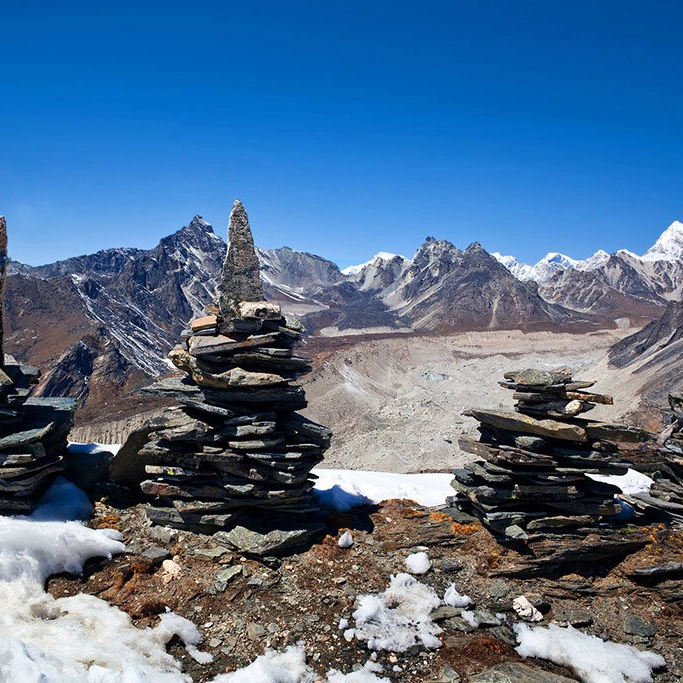
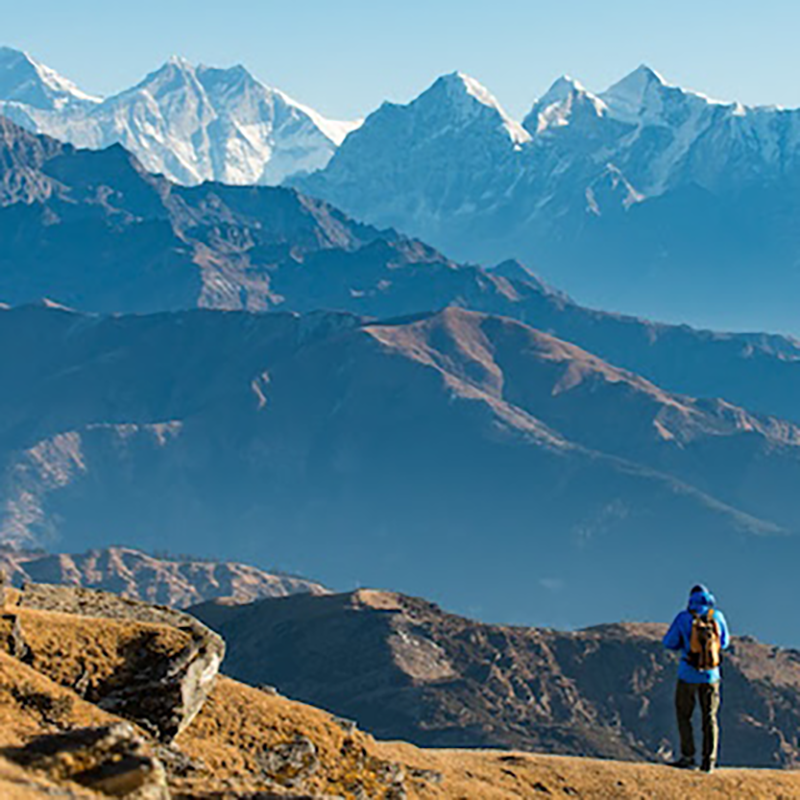
The trek presented unparalleled views of some of the world's highest peaks, including Everest, Lhotse, Nuptse, and Makalu. The reflective turquoise waters of the Gokyo Lakes added a serene contrast to the rugged mountain landscapes. The ascent of Gokyo Ri provided a panoramic spectacle that will forever be etched in my memory.